Château de Montségur Historic Monument in Montségur

Opening hours

Open

  • Monday 09:00 am - 07:00 pm
  • Tuesday 09:00 am - 07:00 pm
  • Wednesday 09:00 am - 07:00 pm
  • Thursday 09:00 am - 07:00 pm
  • Friday 09:00 am - 07:00 pm
  • Saturday 09:00 am - 07:00 pm
  • Sunday 09:00 am - 07:00 pm

Closes at 07:00 pm

Useful information

Location : In the countryside

Province : Ariège - Cathare lands & Ariège Doors

  • English
    • Montségur Castle is a place steeped in history and symbolism.


      Cathar History

      Montségur is best known for being a refuge for the Cathars, a medieval religious group considered heretical by the Catholic Church.
      In 1244, after a siege lasting several months, the castle was captured by the Crusaders, and approximately 200 Cathars who refused to renounce their faith were burned alive. This tragic event left a profound mark on the history of the place.


      Architecture and geographical location

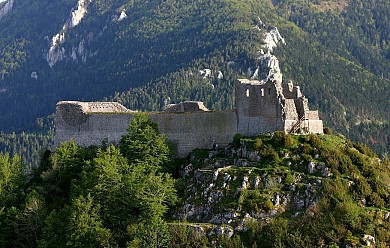
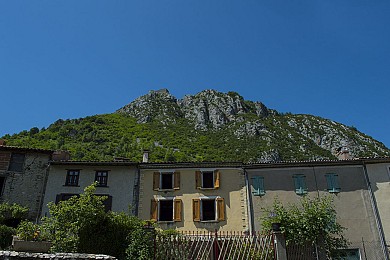
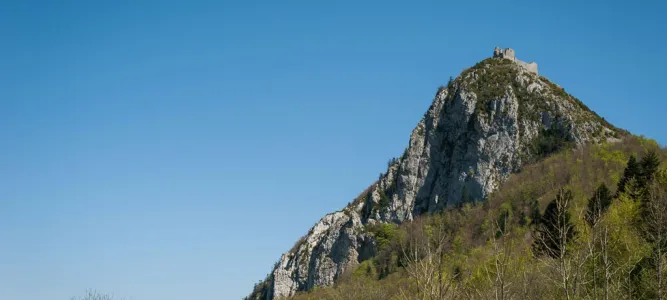
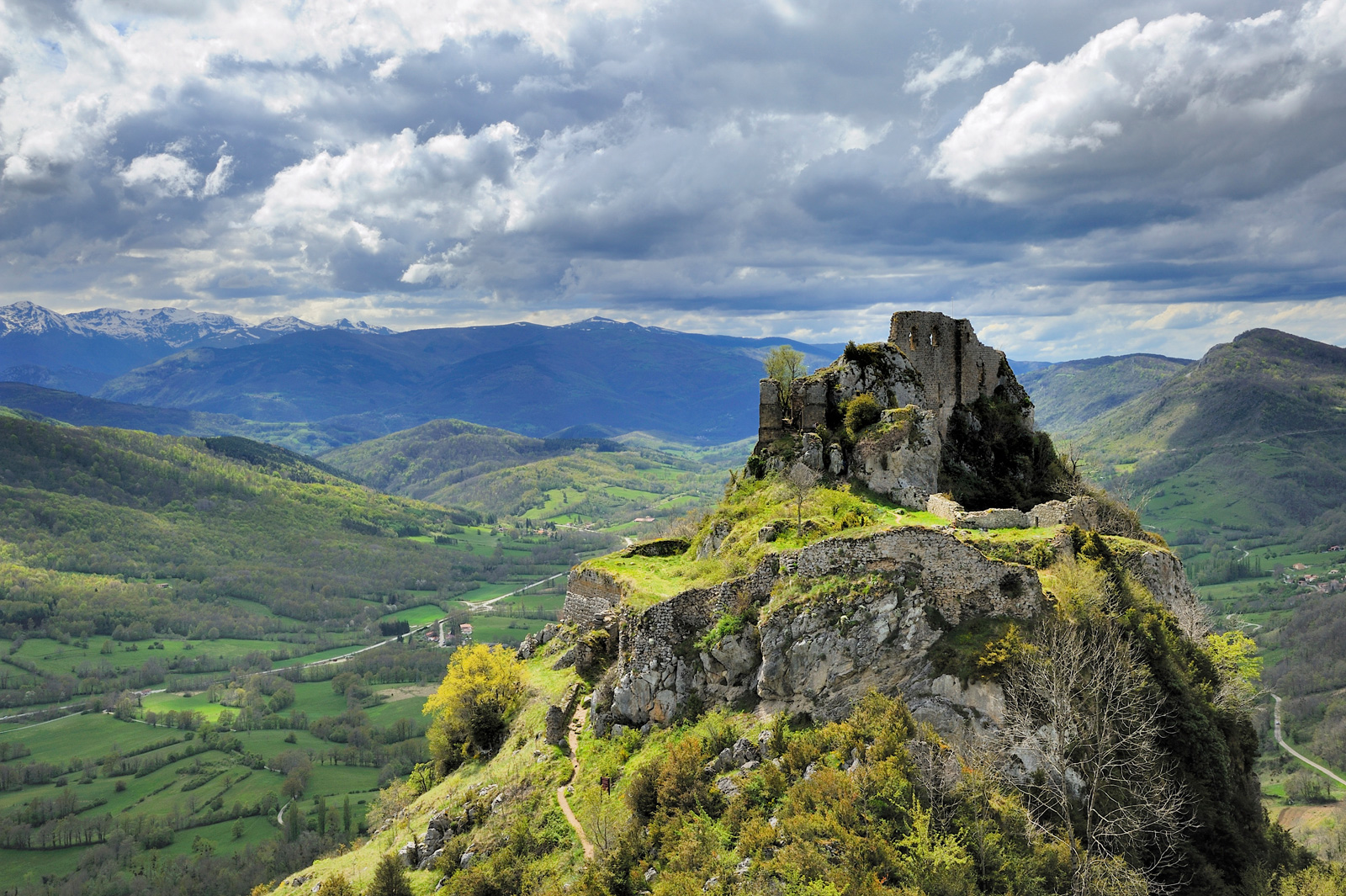
      The castle is perched at an altitude of 1,207 metres on a rocky peak, called a “pog” in Occitan, offering a breathtaking view of the Pyrenees.
      The current fortress was built in the 13th century, after the fall of the old Cathar castrum. It consists of a courtyard and a keep.


      Cultural significance

      Montségur is a symbol of resistance and religious persecution.
      The site attracts many visitors interested in medieval history, the history of the Cathars and the legends surrounding the castle, notably that of the Grail.
      The Montségur Museum, classified as a Museum of France, exhibits archaeological objects found on site and provides a deeper insight into the history of the castle.

  • Français
  • Español

Traveller Reviews Château de Montségur

4.6 sur 5 2395 reviews

  • Meinolf R.

    5 sur 5 Reviews posted by Meinolf R. on 12/02/2026

    The Château de Montségur is a fascinating place, but we need to do a quick historical check here, because there's a common misconception: Although the Templars and the Cathars (who made Montségur famous) existed at the same time, they actually had nothing to do with each other at this castle. Montségur was the last stronghold of the Cathars – the Templars, on the other hand, were an official order of the Catholic Church, which in turn persecuted the Cathars as heretics. Nevertheless, there are intriguing myths that connect the two! Montségur: The Cathars' "Holy Mountain" Montségur sits like a crown atop a 1,200-meter-high rocky promontory (Pog). It was the spiritual center of the Cathars. In 1244, a dramatic chapter of history came to an end here: After a months-long siege, the defenders capitulated, and over 200 Cathars chose to be burned at the stake rather than renounce their faith. The Connection to the Templars (Myth vs. Reality) Why are the Templars still often mentioned in the same breath as Montségur? The Holy Grail: Legends claim that the Cathars guarded the Grail on Montségur. Shortly before the castle fell, four Cathars are said to have rappelled down the rock face at night to retrieve a "treasure." Some theorists believe this treasure later fell into the hands of the Templars, or that the Templars hid it. Secret Knowledge: Both groups were ultimately destroyed by the French crown and the Church (the Cathars in the 13th century, the Templars in the 14th century). This fueled the theory that both orders shared a dark or sacred secret that the powerful feared. Architecture and Astronomy: Like some Templar chapels, the ruins of Montségur are perfectly aligned astronomically. At the summer solstice, the first rays of sunlight shine through the arrow slits, marking precise points inside—a phenomenon often attributed to "esoteric" orders like the Templars. What you need to know before visiting: The climb: The path is steep! It takes about 30 minutes to reach the summit. The hike is strenuous, but the energy up there is unparalleled. The "Prat dels Cremats": At the foot of the mountain stands a stele commemorating the "Field of the Burnt," where the funeral pyres were built. A very moving place. The view: From the top, you can see across the entire valley to your "old friend," Roquefixade Castle.

  • Jean-François Roux

    5 sur 5 Reviews posted by Jean-François Roux on 10/02/2026

    The Château de Montségur (Montsegur in Occitan) is an ancient fortified castle, known as a "Cathar" castle, rebuilt in 1206 but remodeled at the end of the 13th century. Its remains stand in the French commune of Montségur in the Ariège department, in the Occitanie region. History: The Château de Montségur was built on the site of the former castrum at the request of Raymond de Péreille, which, until the siege of 1244, served as a refuge for the Cathars and the faydits (Cathar rebels). It was partially restored after the Cathar surrender of 1244 by the family of the new lord of the manor, Guy II de Lévis. The castle on its current site has undergone three major periods during which the fortress was gradually transformed. An initial fortress, documented as early as the 12th century, was erected on the mountaintop, also called a pog. A pog (a free interpretation by Napoléon Peyrat) is an Ariège form of the Occitan word puèg/puòg, from the Latin pŏdĭum, meaning "eminence" (puech in Nîmes, or even puy elsewhere in France), used to designate the sugarloaf-shaped mountain of Montségur. This version is now commonly accepted, but exclusively in reference to Montségur. Little is known about this first fortress, except that it was in ruins around 1204, the year the fortified Cathar village was built under the direction of Raymond de Péreille. This is the fortified village, or castrum, that archaeologists have named "Montségur II." Since this was done away from the castrum, it is most likely that a burial ground was located at the intersection of the two roads (Montferrier-Lavelanet) at the foot of the pog. Everything relating to the geographical position of the place, to the writings and to the Capetians' relentless attacks against Montségur from 1244 onwards, suggests that it was, if not the capital, at least the stronghold of the Cathars in Occitania.

  • Hindee GOURY

    5 sur 5 Reviews posted by Hindee GOURY on 08/02/2026

Ride around

Parking chateau de Montségur / Lac de Moulzoune / parking chateau de Montségur 19km

Parking chateau de Montségur / Lac de Moulzoune / parking chateau de Montségur 19km
Parking chateau de Montségur / Lac de Moulzoun ...

426 m - Montségur

Walking Horse

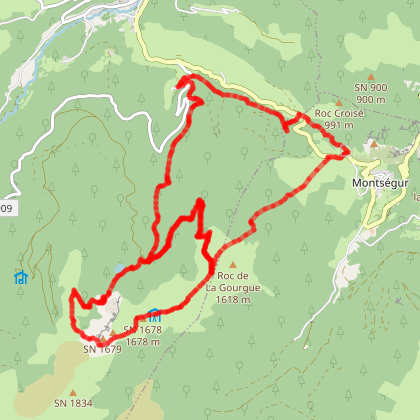
Tour du "Pog" de Montségur

Tour du "Pog" de Montségur

489 m - Montségur

Walking

La Canalette

La Canalette
La Canalette

705 m - Montségur

Walking

You will like also

Montségur

Montségur
Montségur

Welcome to Cathar Country! In the heart of Ariège, Montségur Castle dominates the valleys and commands the ...

490 m - Montségur

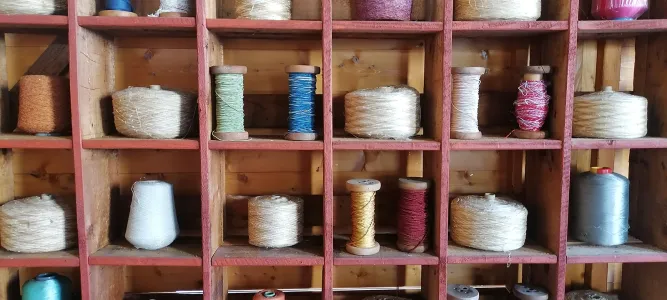
Musée du Textile et du peigne en corne

Musée du Textile et du peigne en corne

His visit is an invitation to travel, to the heart of matter and eras, from the Middle Ages to the 21st century. The ...

6,1 km - Lavelanet

Musée du Textile et du Peigne en corne

Musée du Textile et du Peigne en corne

His visit is an invitation to travel, to the heart of matter and eras, from the Middle Ages to the 21st century. The ...

6,1 km - Lavelanet

The waterfalls of Roquefort-les-Cascades

The waterfalls of Roquefort-les-Cascades

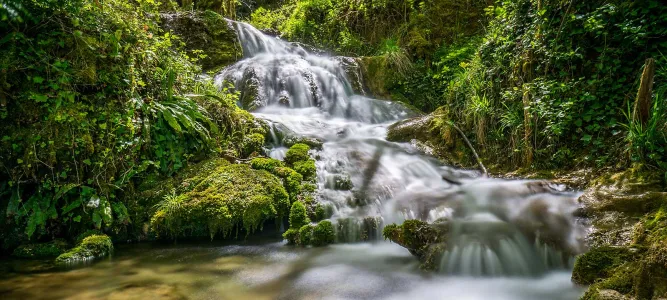
The Roquefort-les-Cascades waterfalls are a remarkable natural site located in the Ariège department, in the heart ...

10,7 km - Roquefort-les-Cascades

Deuch Vadrouille 09

Deuch Vadrouille 09
Deuch Vadrouille 09

deuch vadrouille 09 : Ariège at the pace of a legendary French car Getting off the beaten track doesn't always ...

11,5 km - Mirepoix

loading... map preview

Château de Montségur

Address

Château de Montségur
09300 Montségur

Contacts

Phone : 05 61 01 06 94

GPS coordinates

42° 52'32.86"N, 1° 49'59.17"E

We tested for you

The Textile and Horn Comb Museum: the incredible discovery of ancestral traditions in Ariège

The Textile and Horn Comb Museum: the incredible discovery of ancestral traditions in Ariège
The Textile and Horn Comb Museum: the incredib ...

7,0 km - Lavelanet

Top 10 visits to do in Ariège

Top 10 visits to do in Ariège

9,0 km - Roquefixade

The petrifying waterfalls of Roquefort-les-Cascades

The petrifying waterfalls of Roquefort-les-Cascades
The petrifying waterfalls of Roquefort-les-Cas ...

10,8 km - Roquefort-les-Cascades

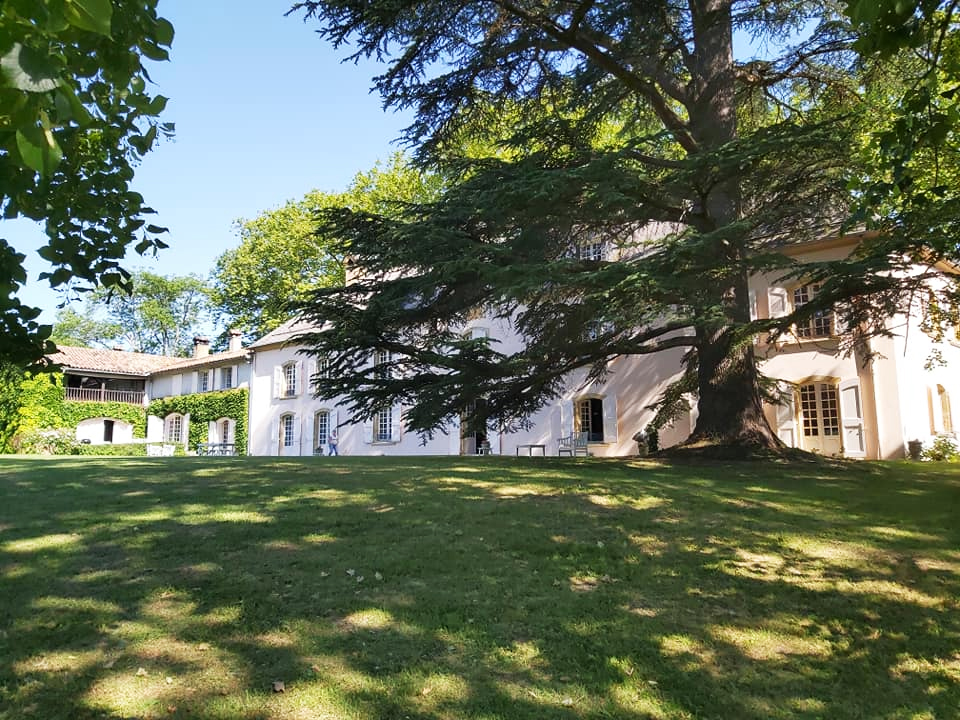
Le Clos Cathala, charming stay, between century-old trees and Ariège mountains

Le Clos Cathala, charming stay, between century-old trees and Ariège mountains
Le Clos Cathala, charming stay, between centur ...

14,8 km - Saint-Paul-de-Jarrat

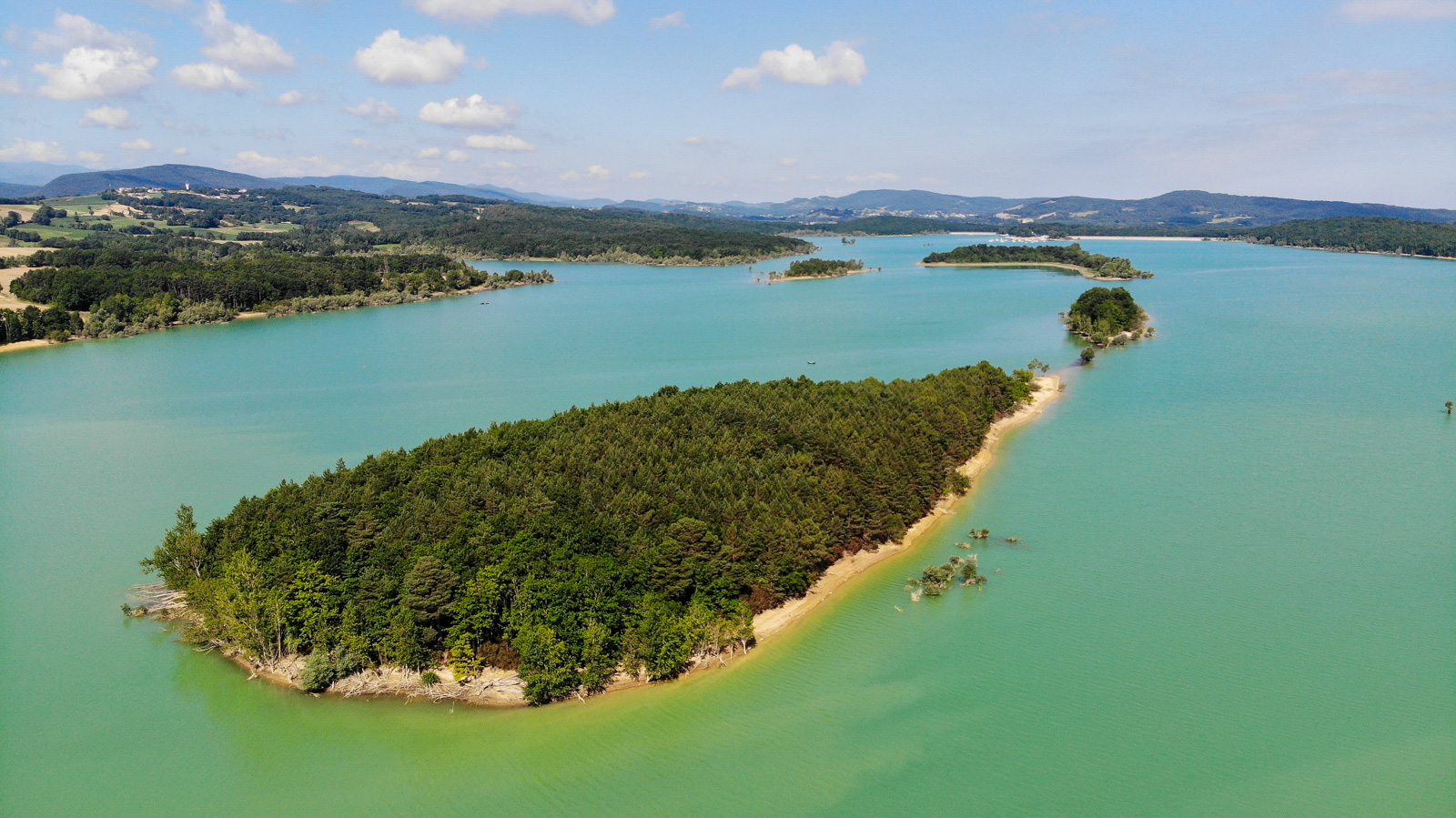
Bucolic escape to Lake Montbel, one of the most beautiful in Ariège

Bucolic escape to Lake Montbel, one of the most beautiful in Ariège
Bucolic escape to Lake Montbel, one of the mos ...

16,1 km - Montbel

You will also like

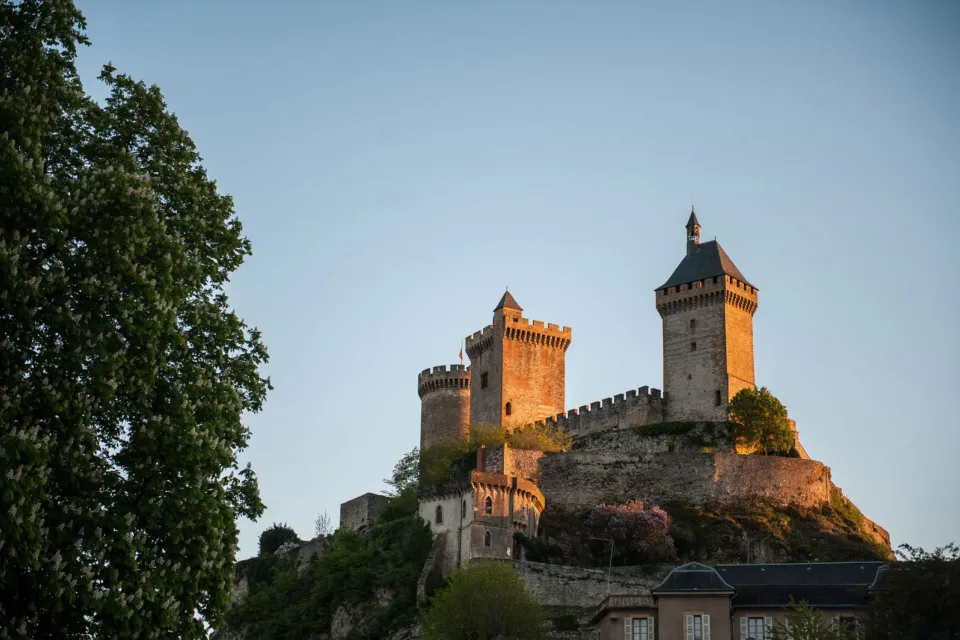
Le château de Foix

Le château de Foix
Le château de Foix

The castle of Foix, emblem of the city of Foix and Ariège, is a historical monument of great importance. History ...

21,1 km - Foix

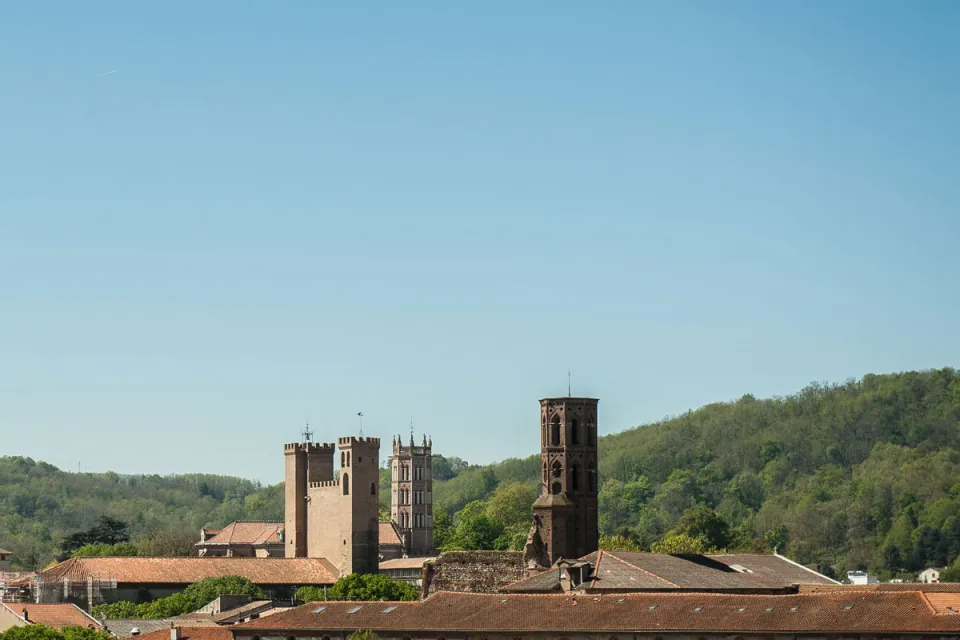
Église Notre-Dame-du-Camp de Pamiers

Église Notre-Dame-du-Camp de Pamiers

The Notre-Dame-du-Camp church in Pamiers is a Catholic religious building steeped in history, listed as a historic ...

32,3 km - Pamiers

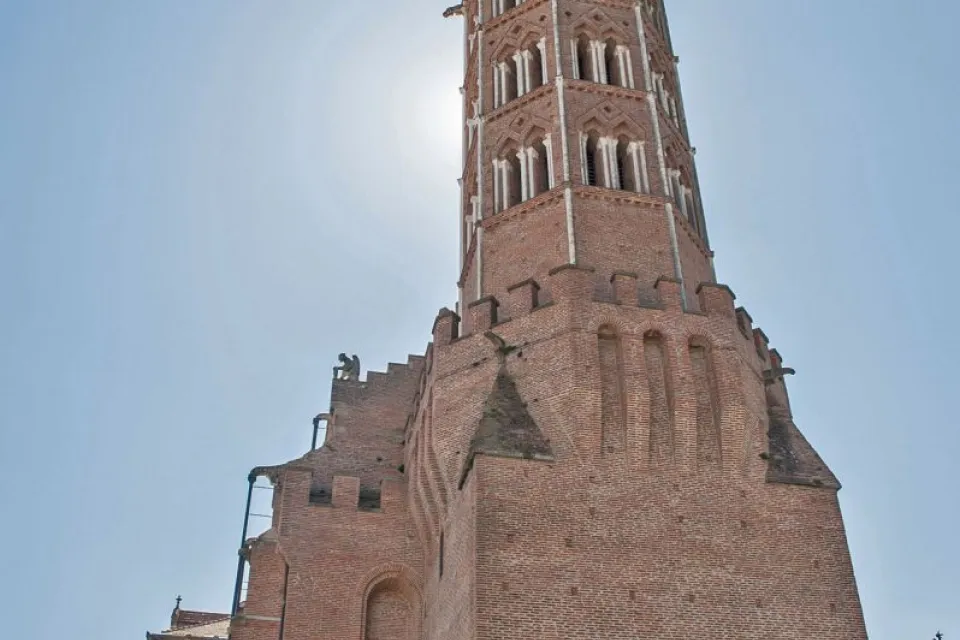
Tour des Cordeliers

Tour des Cordeliers
Tour des Cordeliers

The Cordeliers Tower in Pamiers, listed as a historic monument in 1921, is an important witness to the town's ...

32,3 km - Pamiers

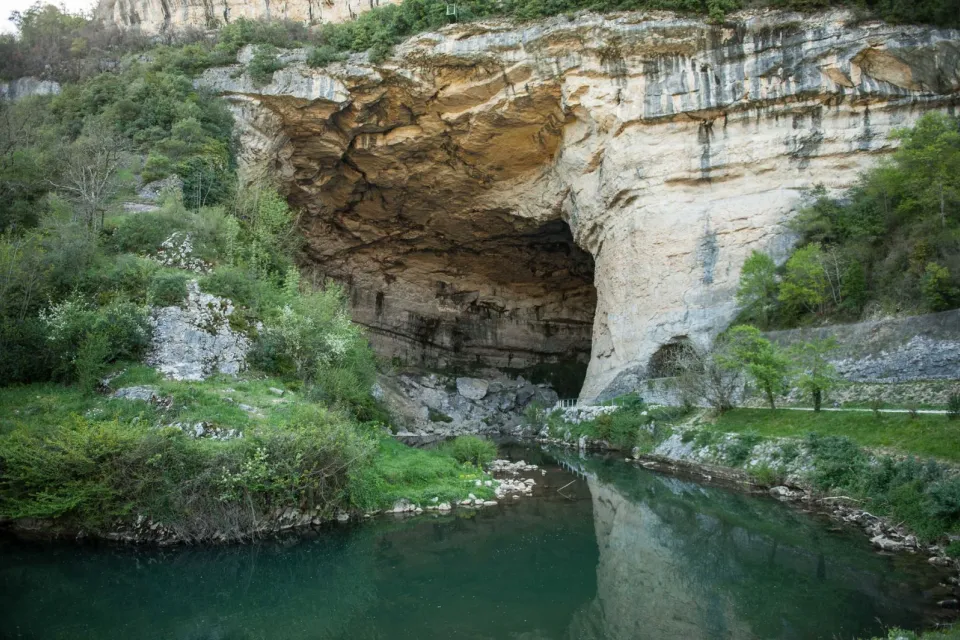
Grotte du Mas d'Azil

Grotte du Mas d'Azil

The Mas d'Azil Cave is a historical monument of capital importance, both geologically and archaeologically. The site ...

44,5 km - Le Mas-d'Azil

Palais de justice de Toulouse

Palais de justice de Toulouse

The Toulouse Palace of Justice is an architectural complex that bears witness to the city's evolution over the ...

85,9 km - Toulouse