- Home page
- Top Experiences
- Culture and Heritage
- The Mounaques, these funny dolls from Campan
- Culture and Heritage
- Top Experiences
The Mounaques, these funny dolls from Campan
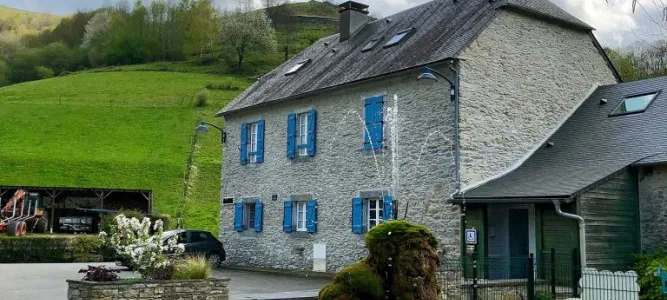
In the heart of the central Pyrenees, Campan is a small rural village of ordinary appearance, nestled in a setting teeming with nature between the high peaks of the Col du Tourmalet and the Col d'Aspin. However, when you linger there for a stroll, you discover an atypical village still largely inhabited by the past, by traditions and by a strange population of inhabitants: the “Mounaques”.
Who are the “Mounaques” of Campan?
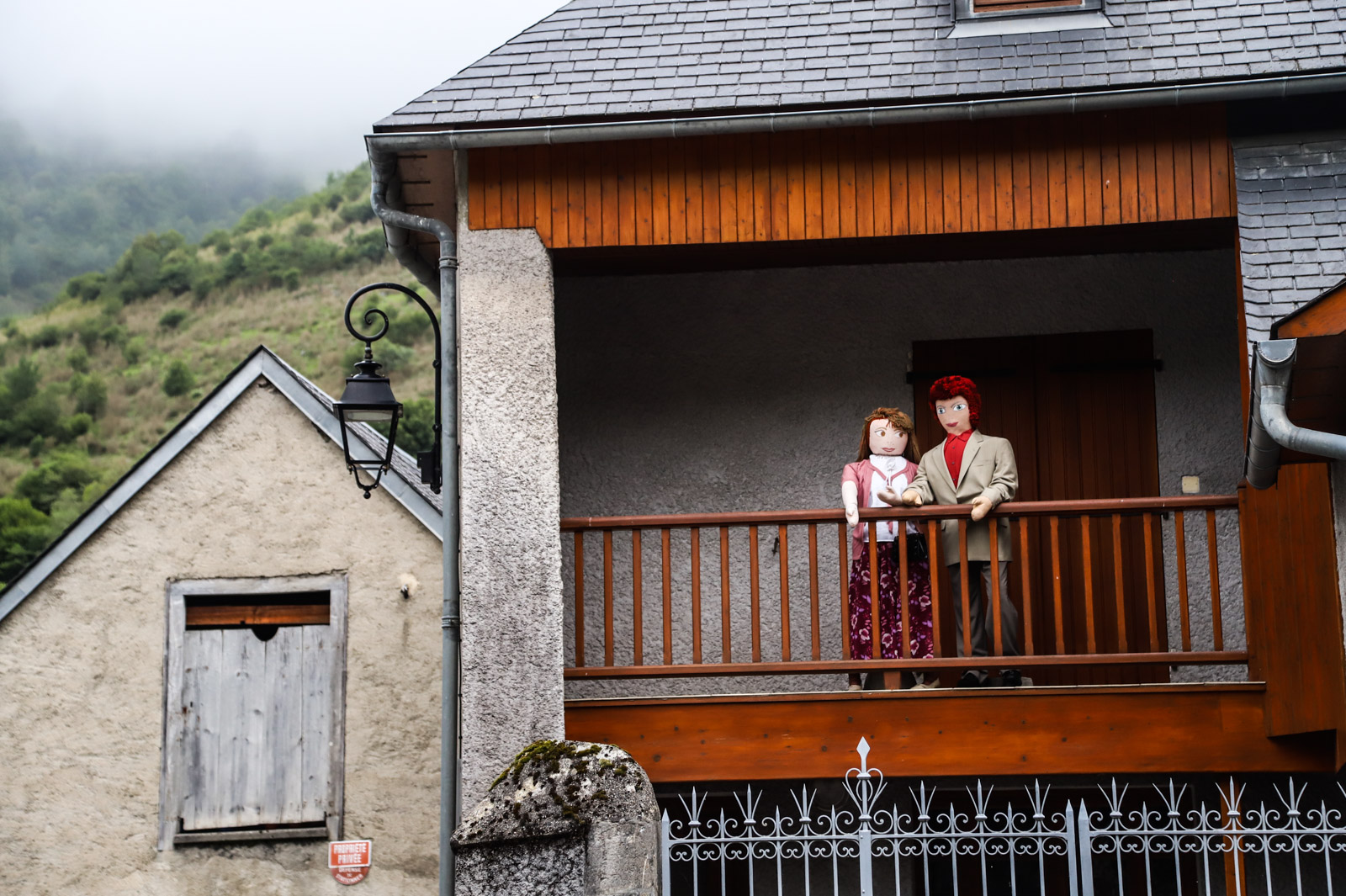
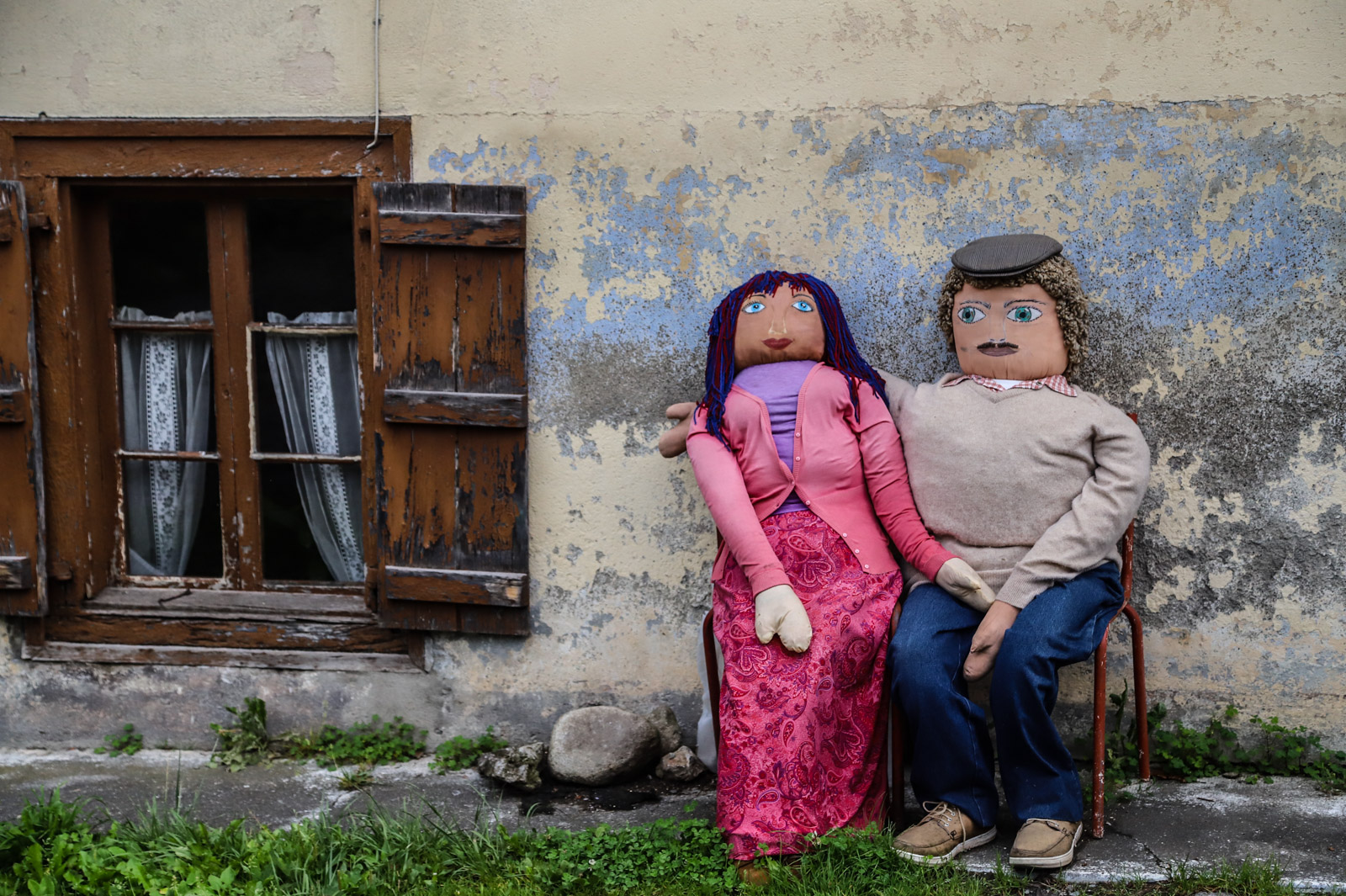
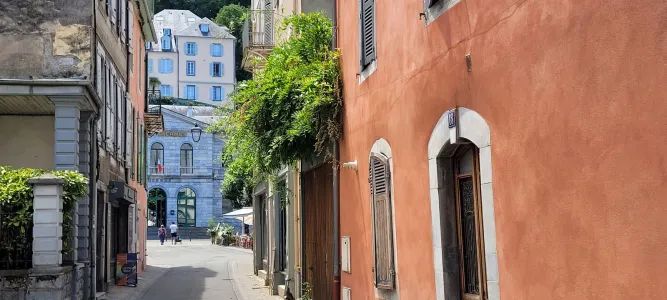
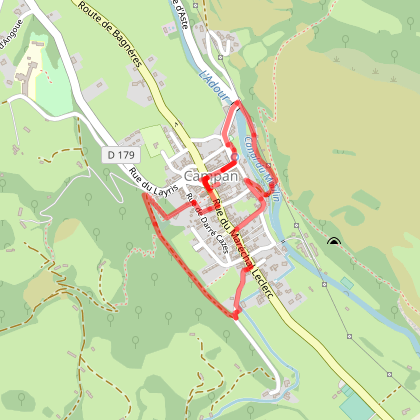
From the plains of the Campan Valley, the silhouette of the village rises up on the horizon. As I approach the village, I catch a glimpse from my car of a first couple of "Mounaques" greeting passers-by from the window of a house. Then, a second couple, in a field, catches my eye. Then, a third, in a garden! The "Mounaques" are everywhere. A stop is essential to explore this village in search of these unusual "locals" posted on balconies, in gardens, cafes, behind a window or at the bend of an alley...
But what are the “Mounaques”?
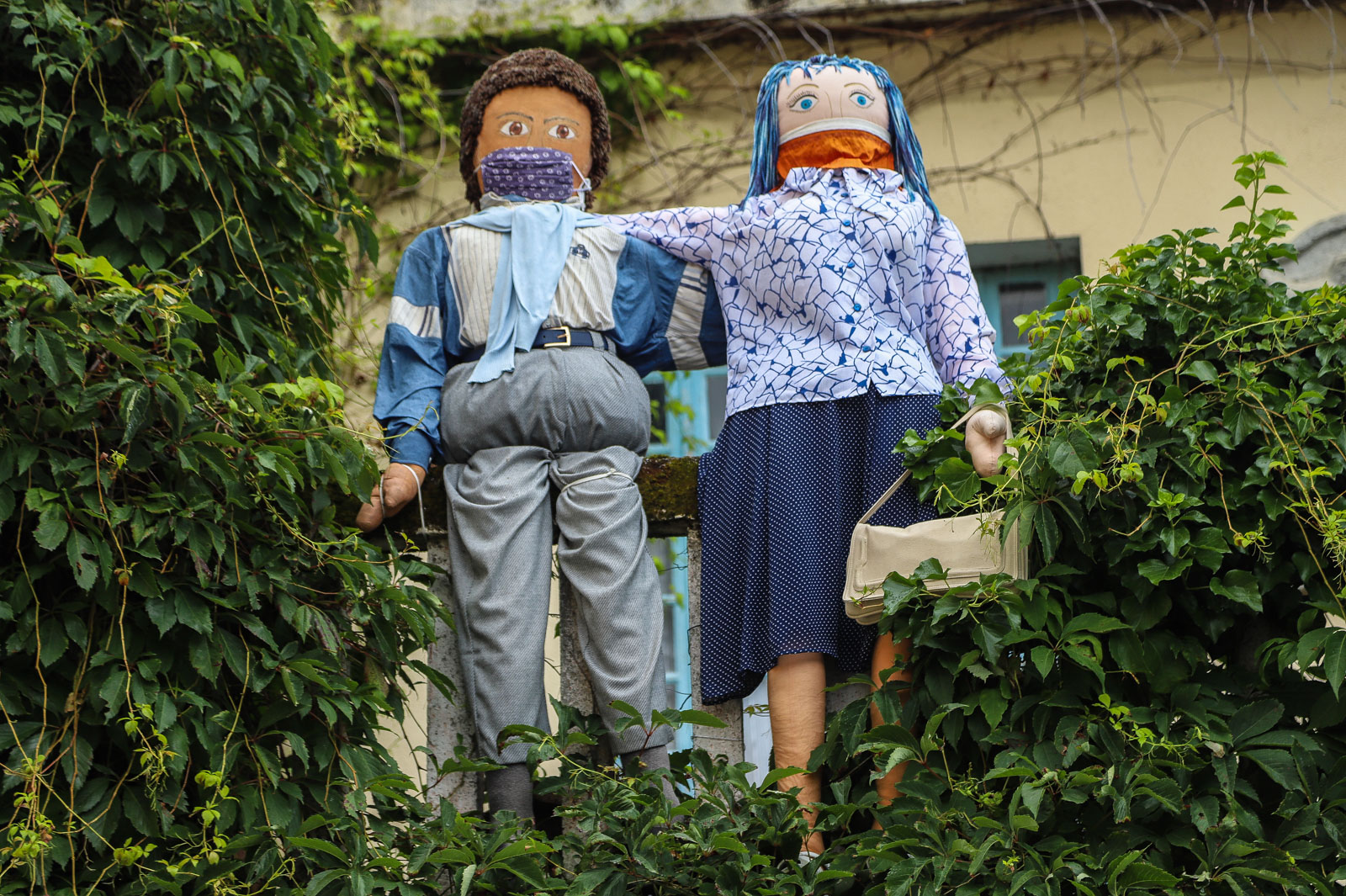
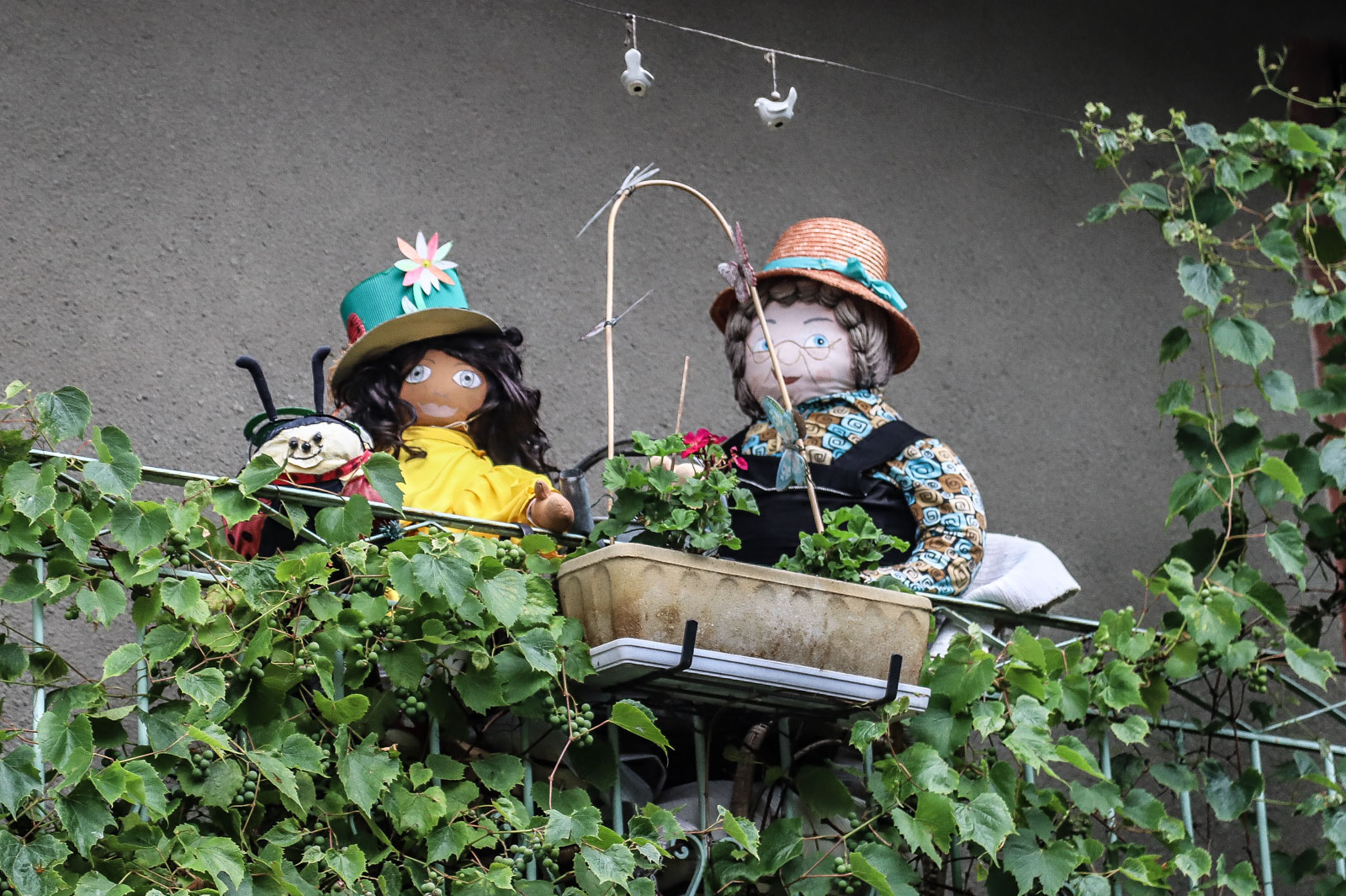
The "Mounaques" are life-size dolls, made of rags and filled with hay. They are dressed in clothes and entirely handmade. Staged in the streets, they are the guardians of an ancestral tradition that has lasted since the 19th century and which reflects the folkloric identity of Bigorre. Every year, from July to September, walking through the picturesque village, with your eyes wide open in search of the "Mounaques", offers visitors a fun and educational discovery.
An ancient tradition of Haut-Adour
History reports that in the past, in the Campan Valley, couples would marry within villages. This was a traditional custom linked to the inheritance system between people of the same community. When an idyll was announced, the person in question was the subject of a "charivari", a very noisy demonstration of discontent from the villagers who demanded a sort of compensatory tribute. If the man who came to take an "heiress" from the young people of the village did not pay his tribute, these young people would go every evening during the month preceding the marriage around the house of the bride with cow bells to make noise and attract attention.
This norm was sometimes contradicted: for example, in the case where a young girl considered marrying a boy from another village or if a widower married a young girl.
A pair of rag dolls, "the Mounaques", were also hung on his house, like a caricature of the future bride and groom and their flaws. Although this ritual did not discourage suitors from elsewhere, this well-established custom plunges us today into the authenticity of the rural world and popular traditions of yesteryear.
Rest assured, these good-natured jokes ended on the wedding day!
In search of the “Mounaques”
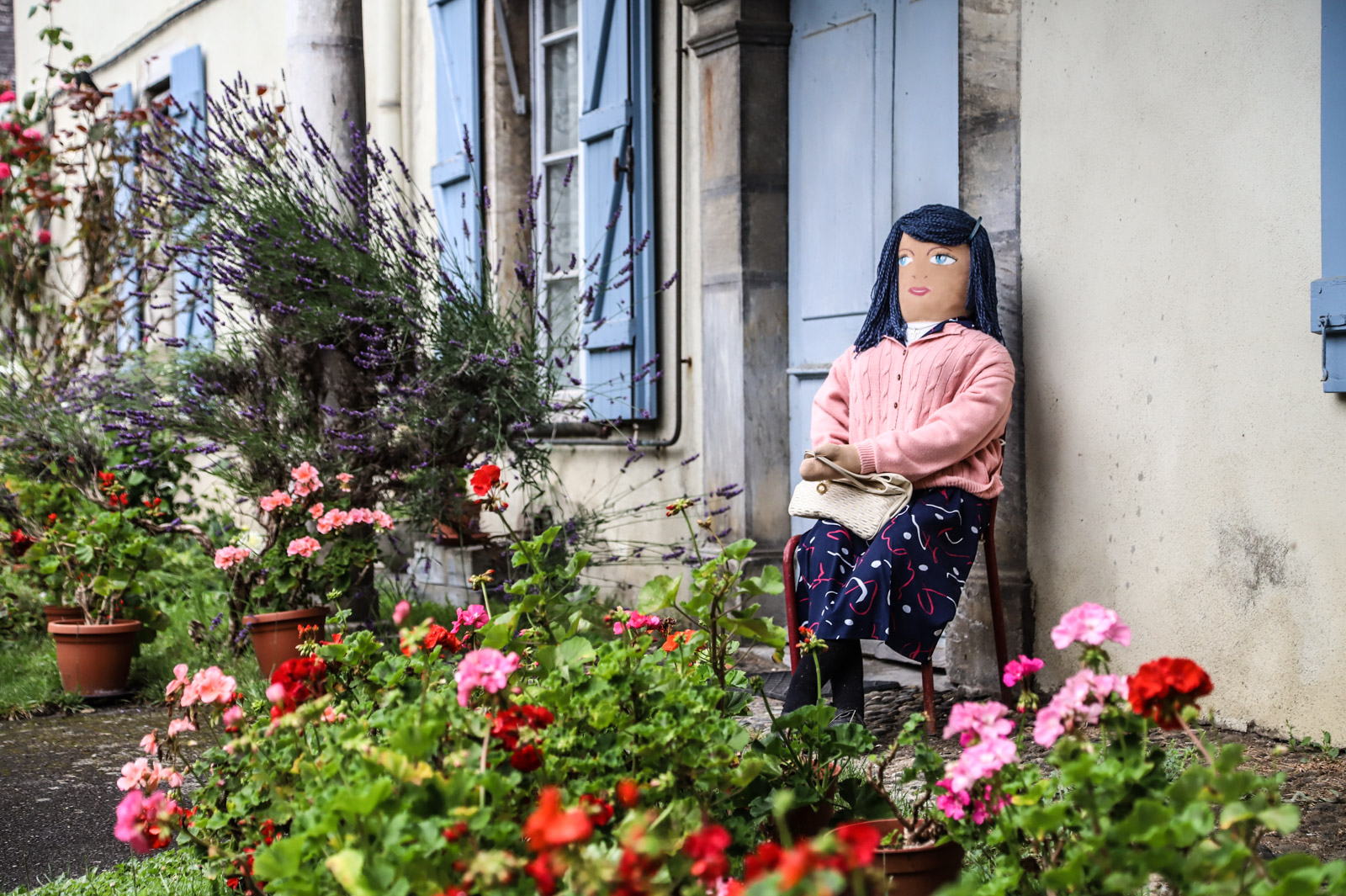
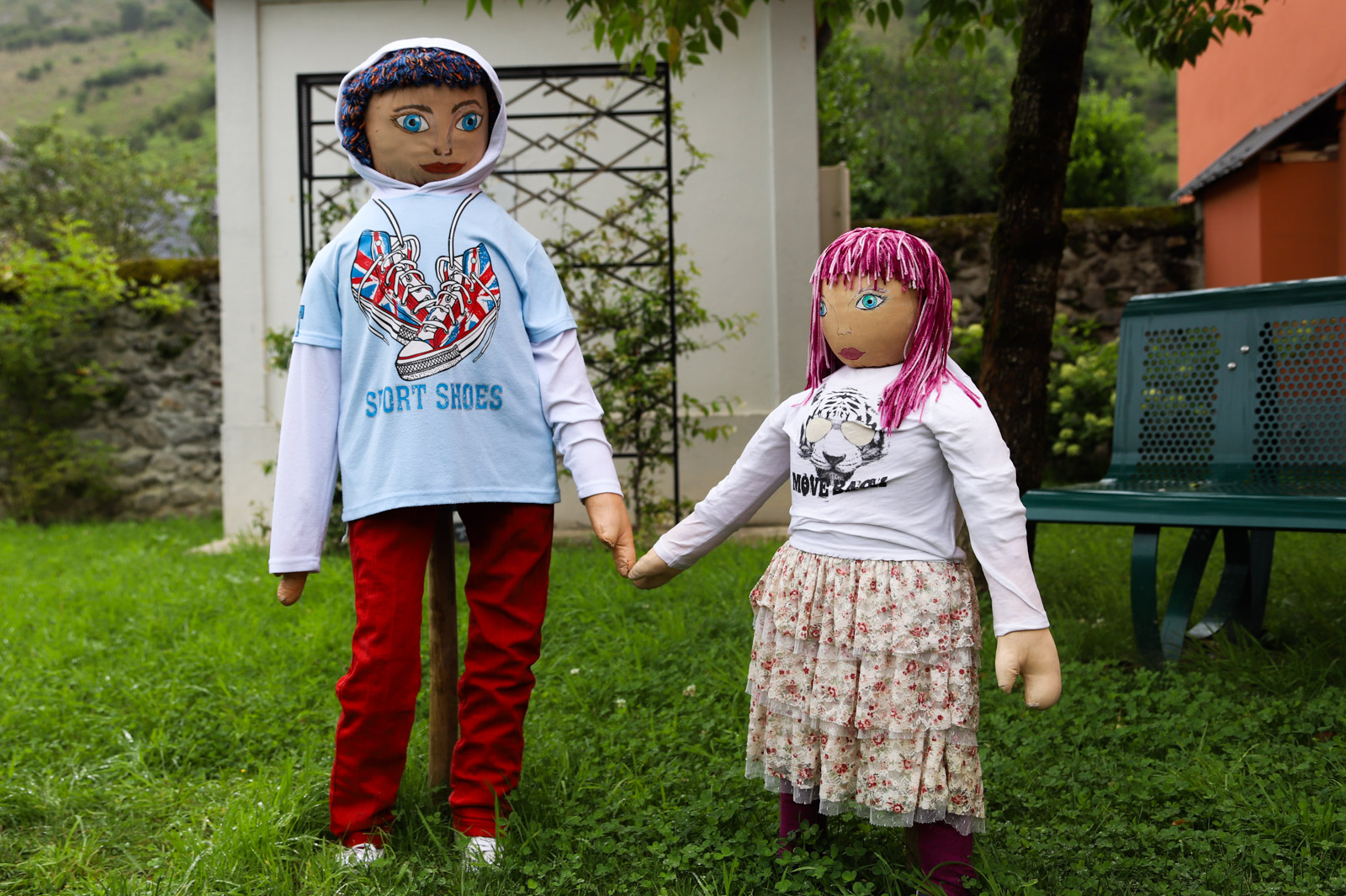
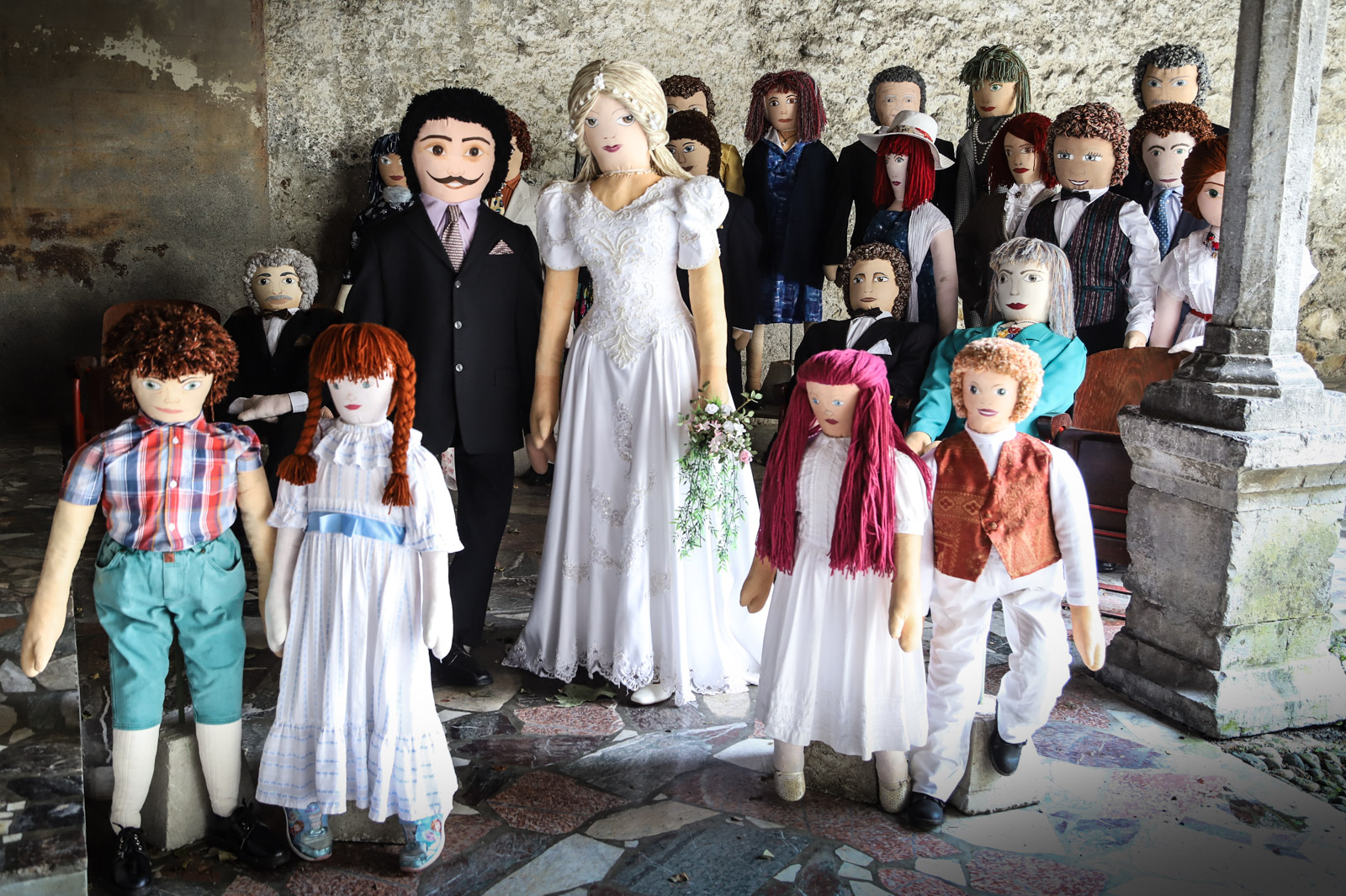
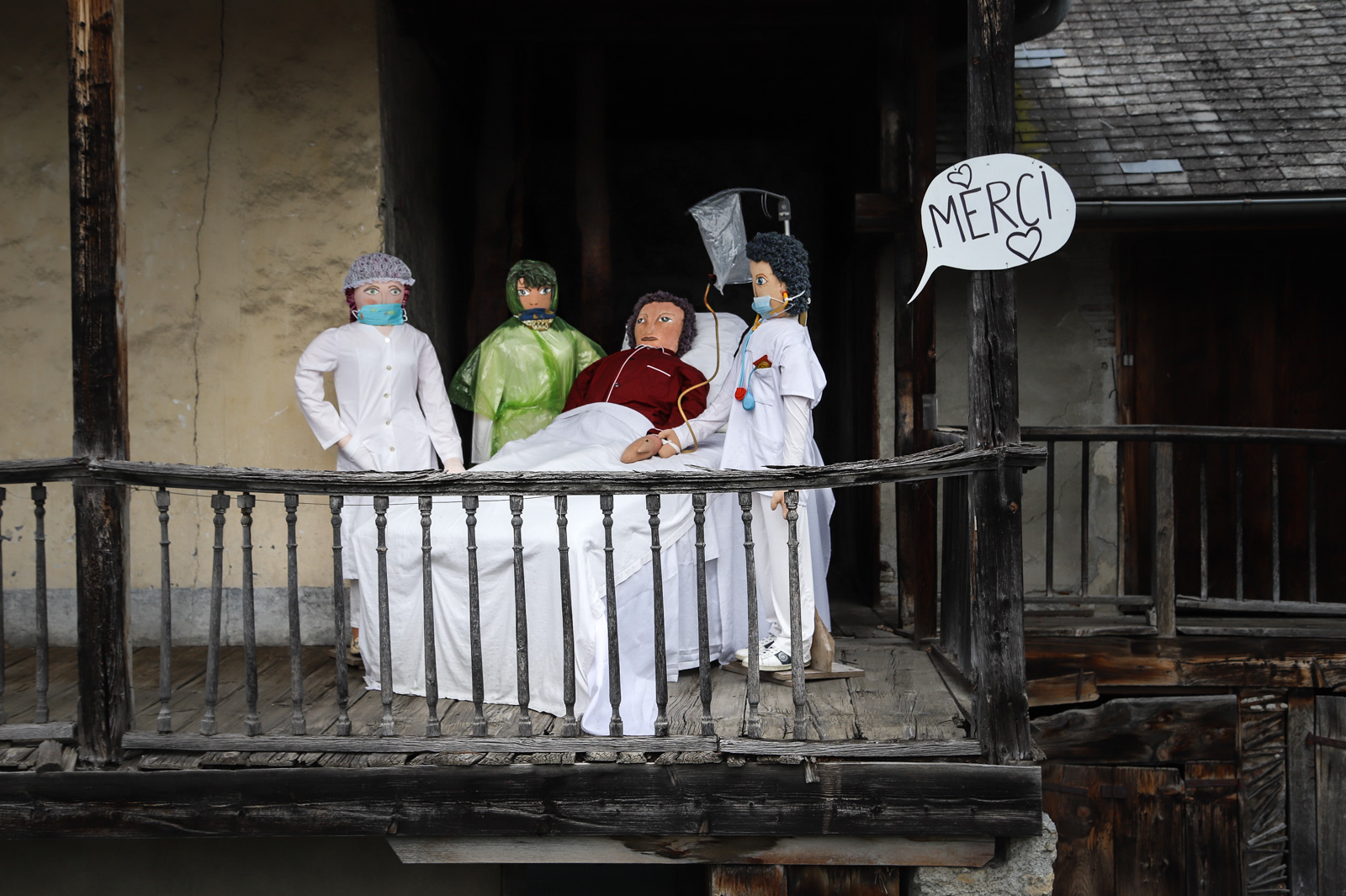
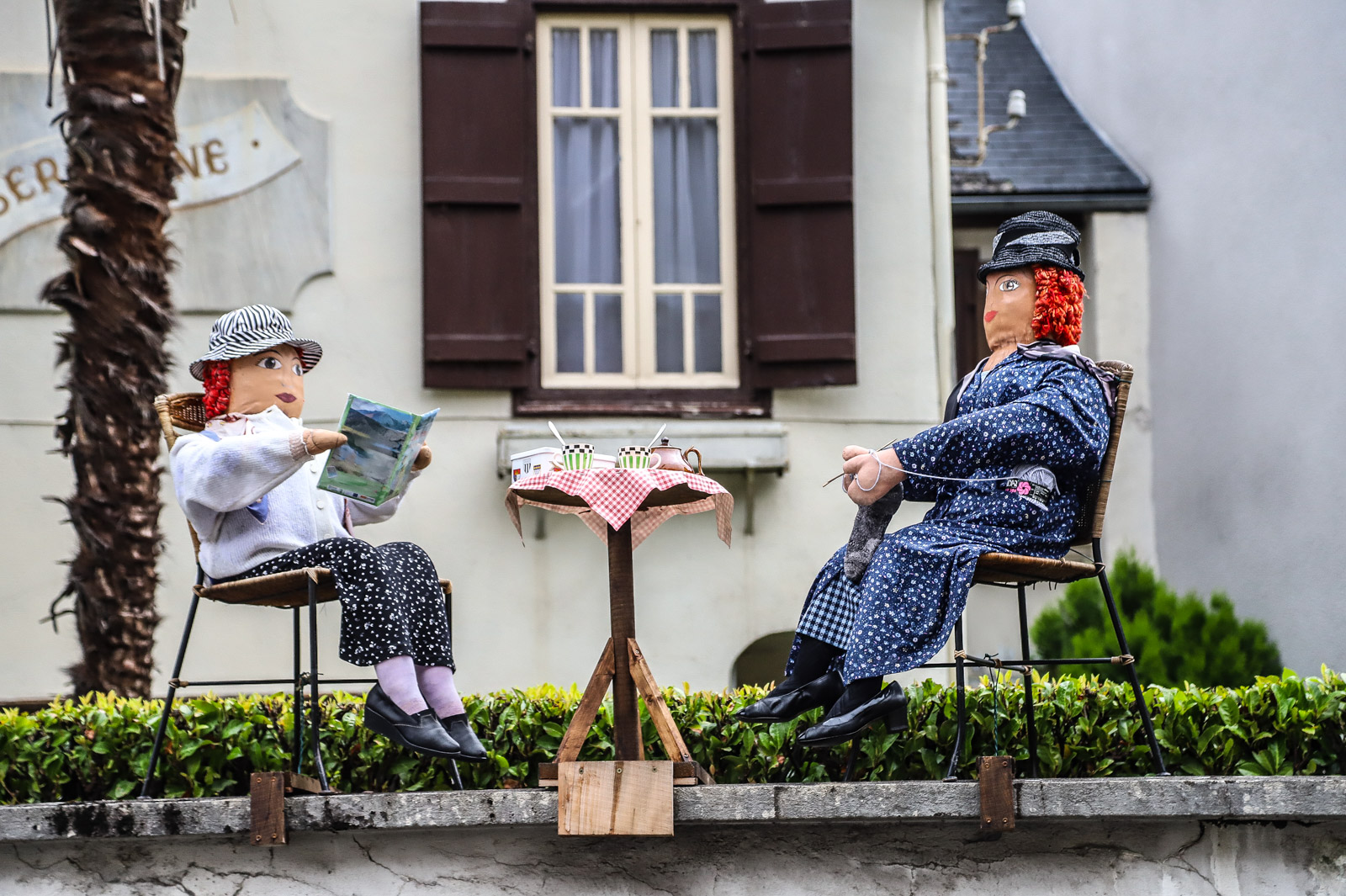
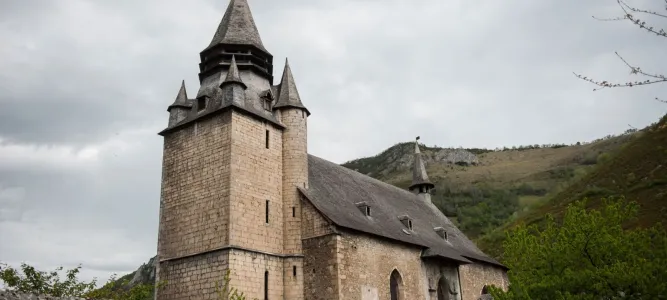
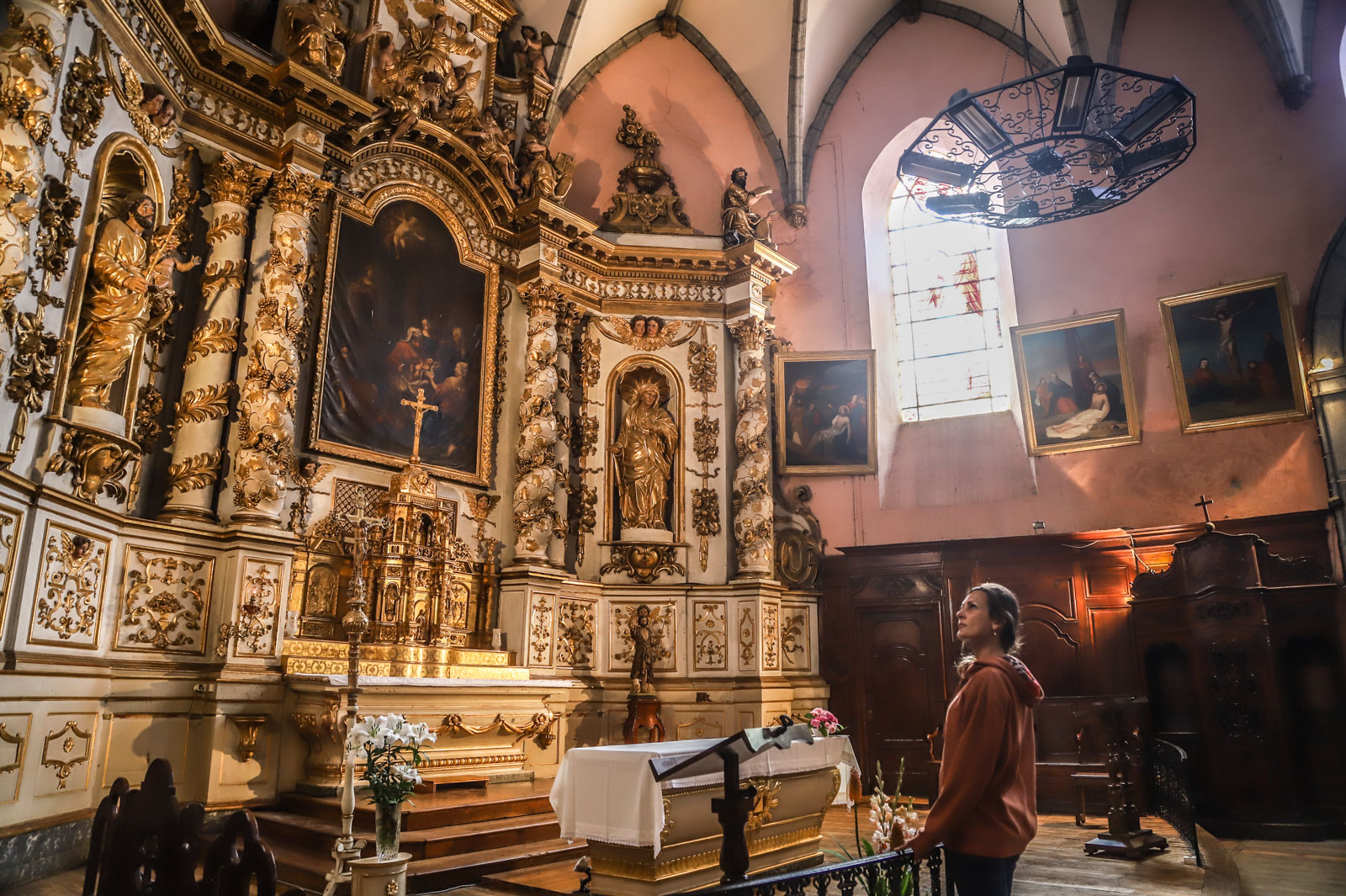
Every year, nearly 160 dolls are exhibited throughout Campan, judiciously placed at all the crossroads of the small village. In front of houses, cafes, in the park, these little characters are omnipresent. Two families of "Mounaques" celebrate their union in the courtyard of the Saint-Jean-Baptiste Church of Campan and offer a fabulous wedding scene. Women wash clothes in the washhouse. Firefighters, caregivers, scouts, "Mounaques" children bring life to the streets and built heritage of Campan.
Every year, on the second Sunday in July, the Fête des Mariolles is held in their honour, organised by the brotherhood: parades, folk shows, local produce, a grand ball on the square... A festive atmosphere guaranteed !
What to see in Campan?
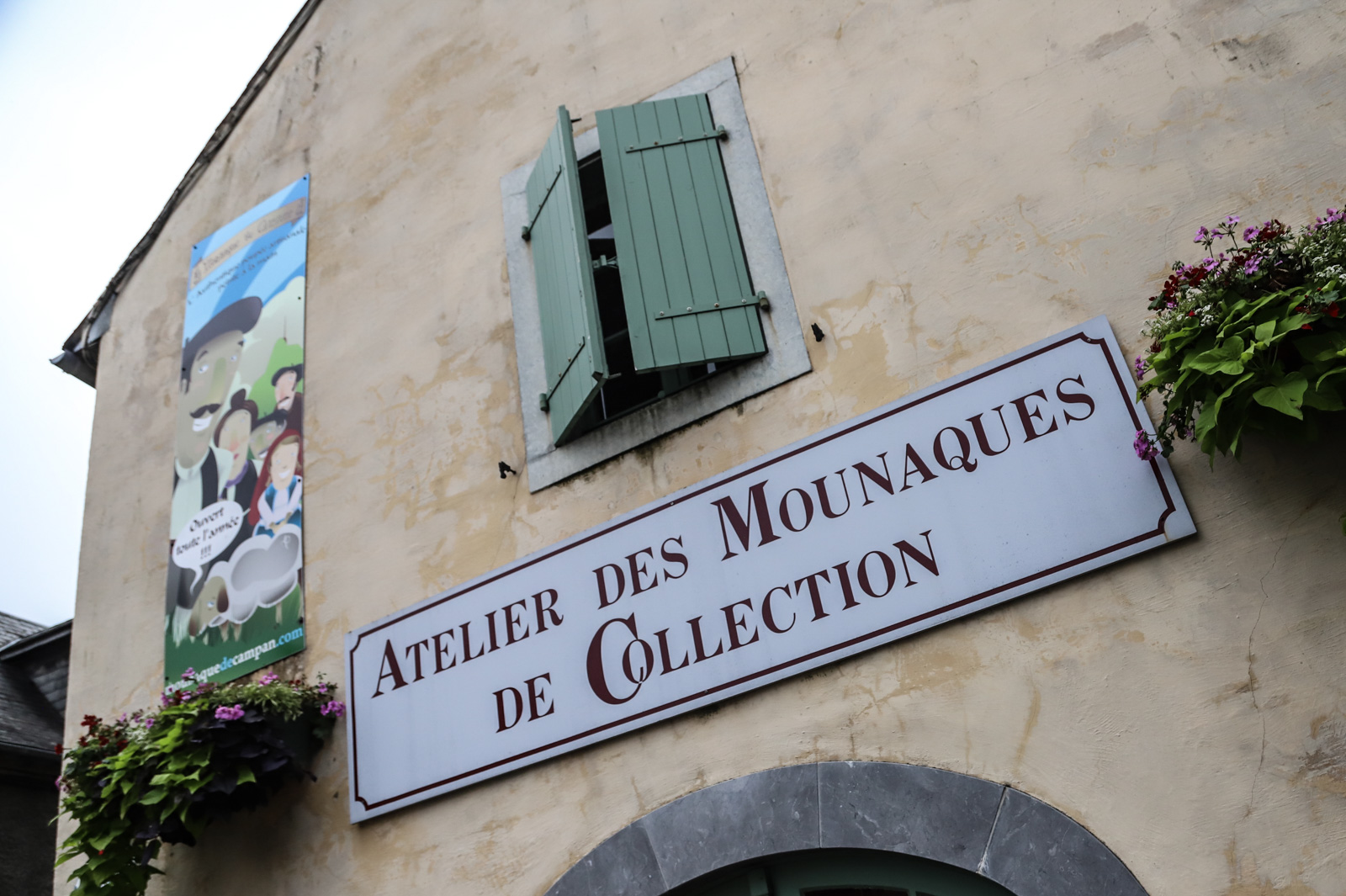
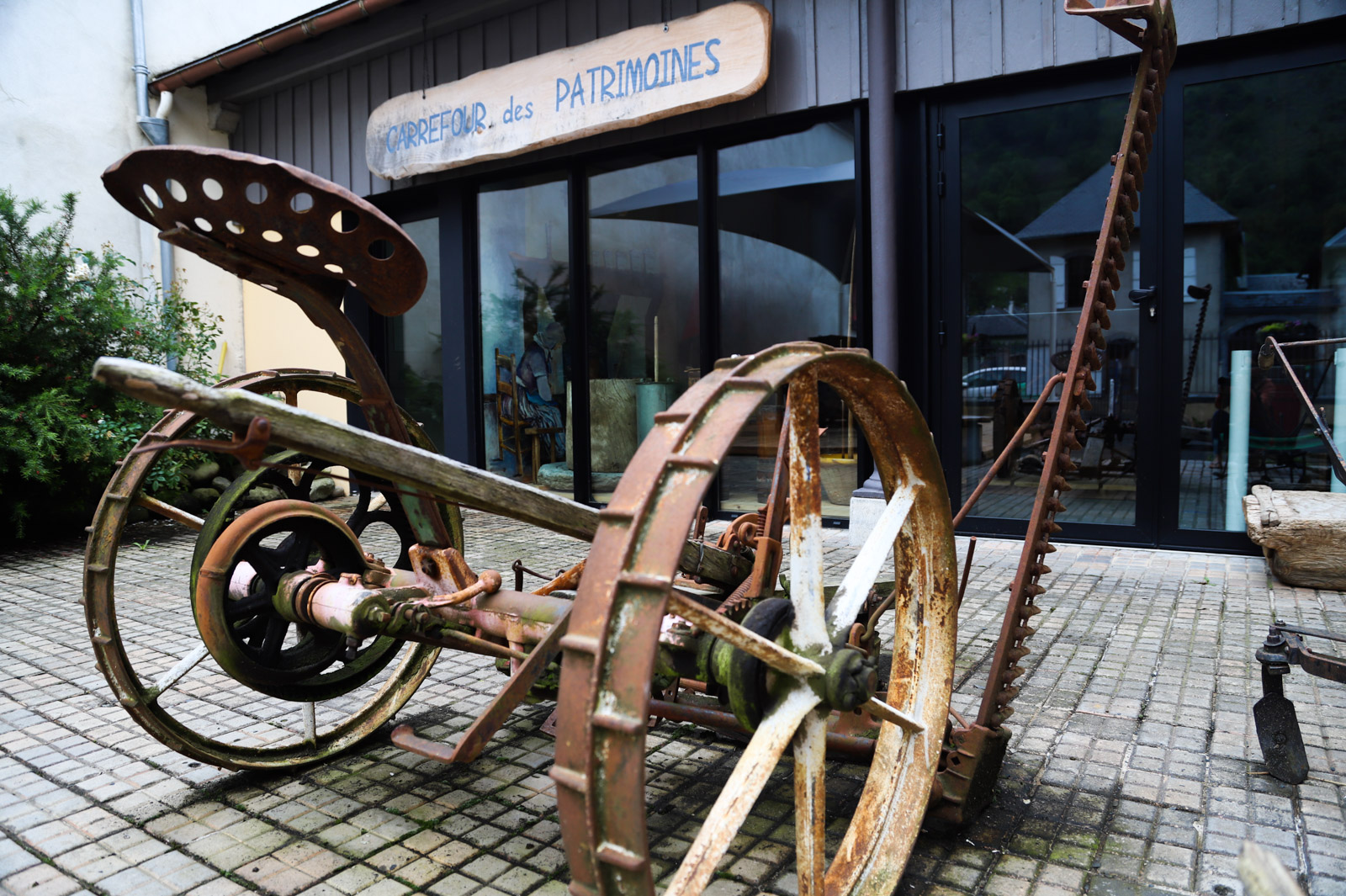
To learn more about these funny dolls, visit Mounaques et Compagnie, a workshop where volunteers make small, collectible "Mounaques" made from fabric, wadding and wool, and entirely hand-painted. Similarly, to discover the lives of the Campanian mountaineers and the inhabitants of the valley in the late 19th and early 20th centuries, the Carrefour des Patrimoines museum offers a fabulous journey into the past (photo reproductions, permanent exhibition of traditional objects and costumes).
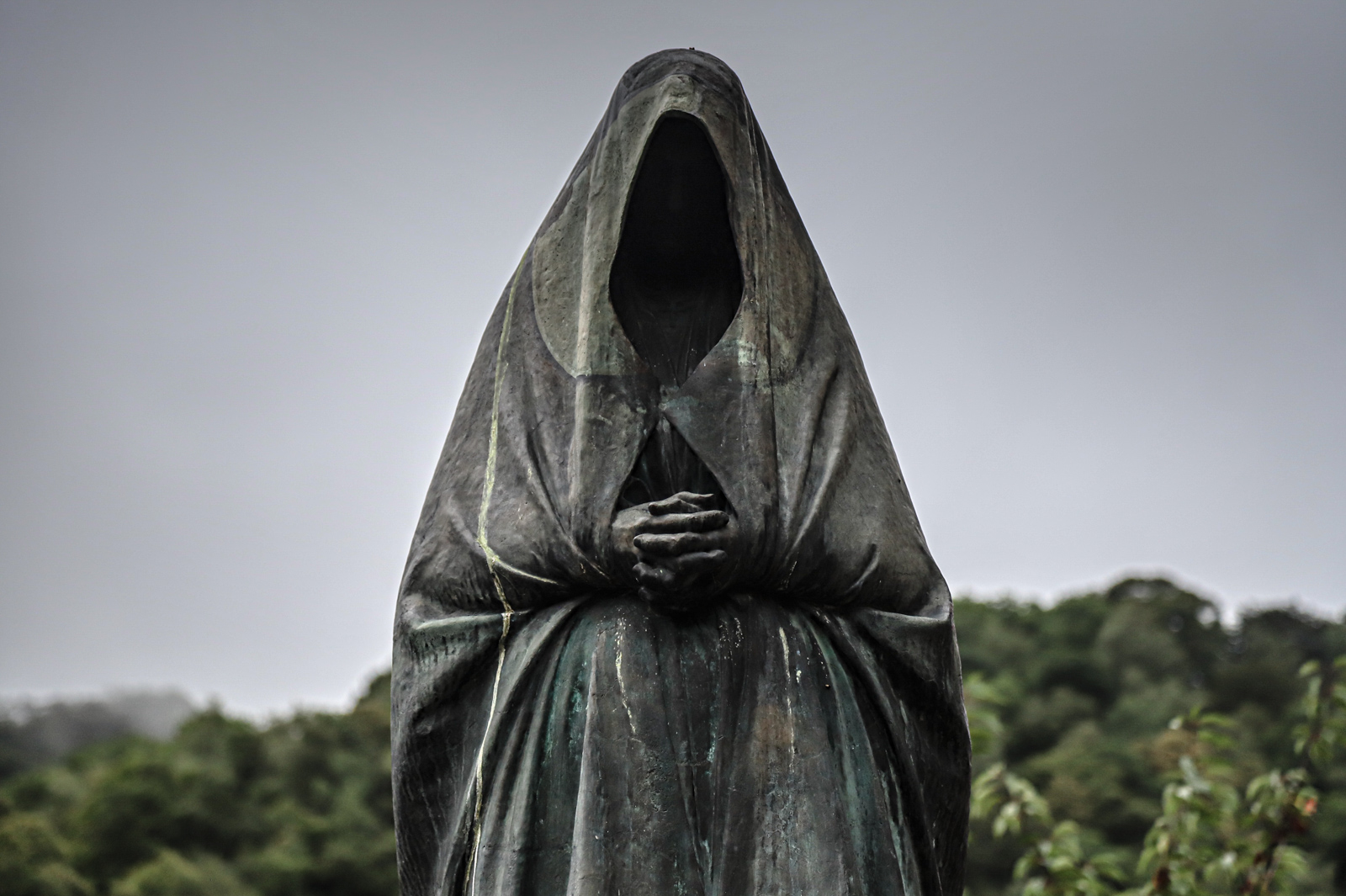
Finally, on the curiosity side, the Campan War Memorial has something to surprise you. Sculpted by the Bordeaux artist Edmond Chrétien in 1926, the sober and moving statue represents a woman in mourning, far from the usual representation of heroic soldiers. Dressed in a long black capulet, the traditional mourning garment of the valley, her invisible face symbolizes generations of women bereaved by war.
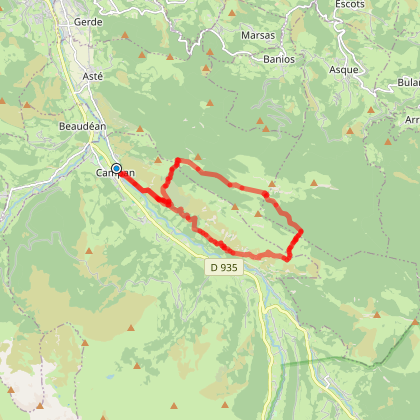
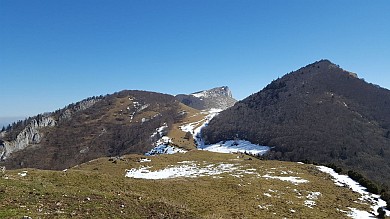
Attention all walking enthusiasts! Campan is a starting point for magnificent hikes in the Pyrenees: La Hourquette d'Ancizan, the Col d'Aspin, the Col de Beyrède, etc.
Arriou Campsite
Your holiday between Bagnères de Bigorre and the Pic du Midi
1,1 km
Adour campsite
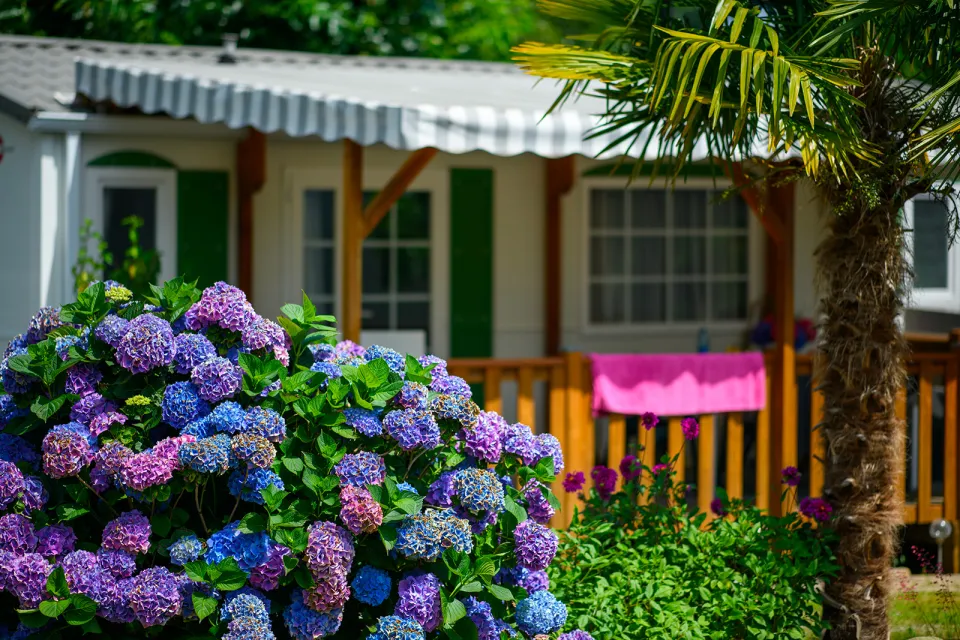
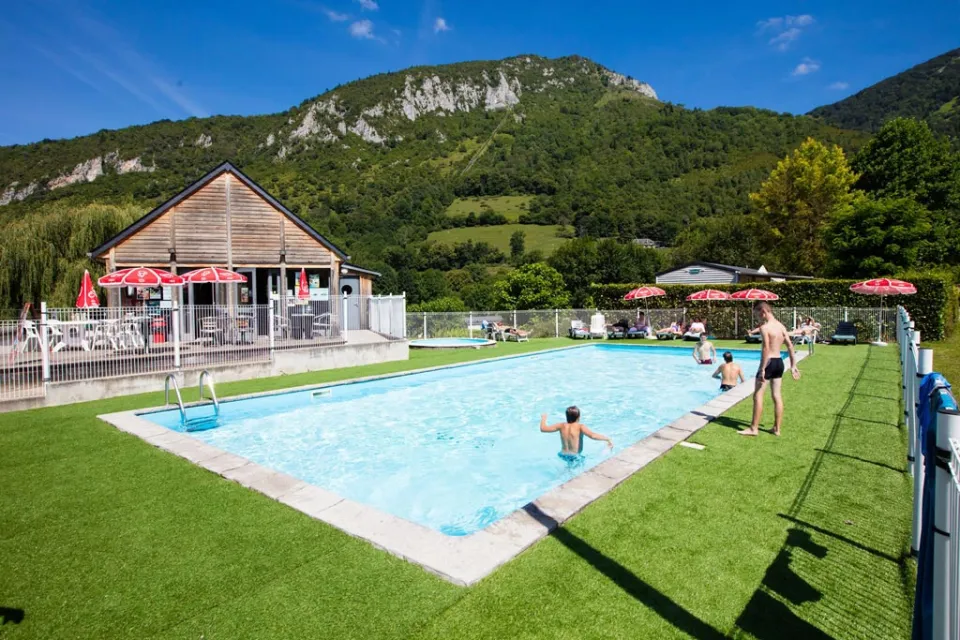
A 4-star campsite with a heated swimming pool near the Tourmalet
4,2 km
Camping de l'Adour's unusual domes
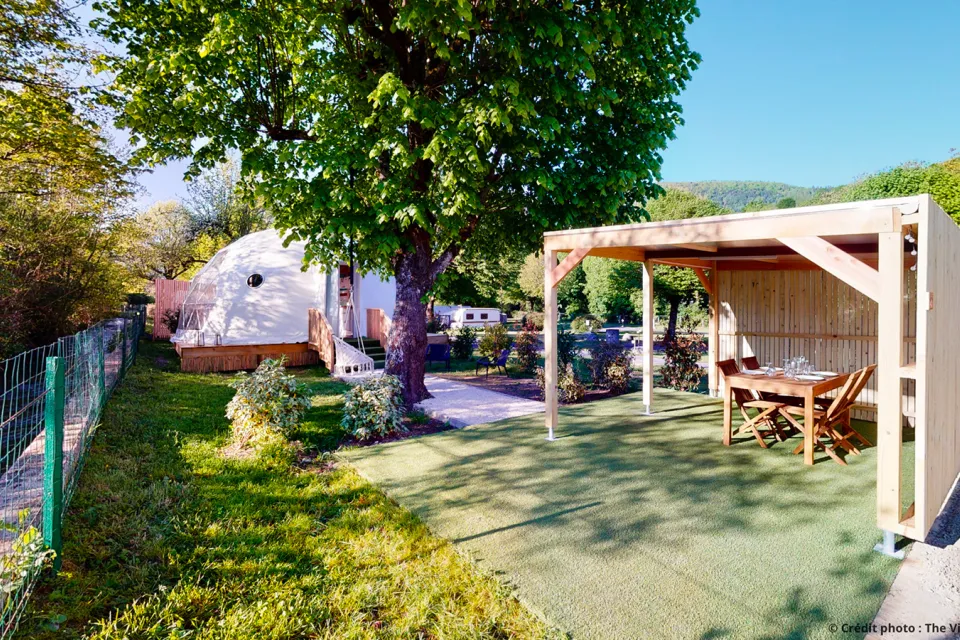
A stay near the Tourmalet in a fully equipped dome
4,2 km
Did you like this report? Find more on the Toulouse Pyrénées Guide blog.
Join us on the Toulouse Pyrenees Guide Facebook Page. We are also on Instagram @guidetoulousepyrenees
Article and photos prepared by Lesley Williamson
You will also like
Autumn walk around Lake Payolle
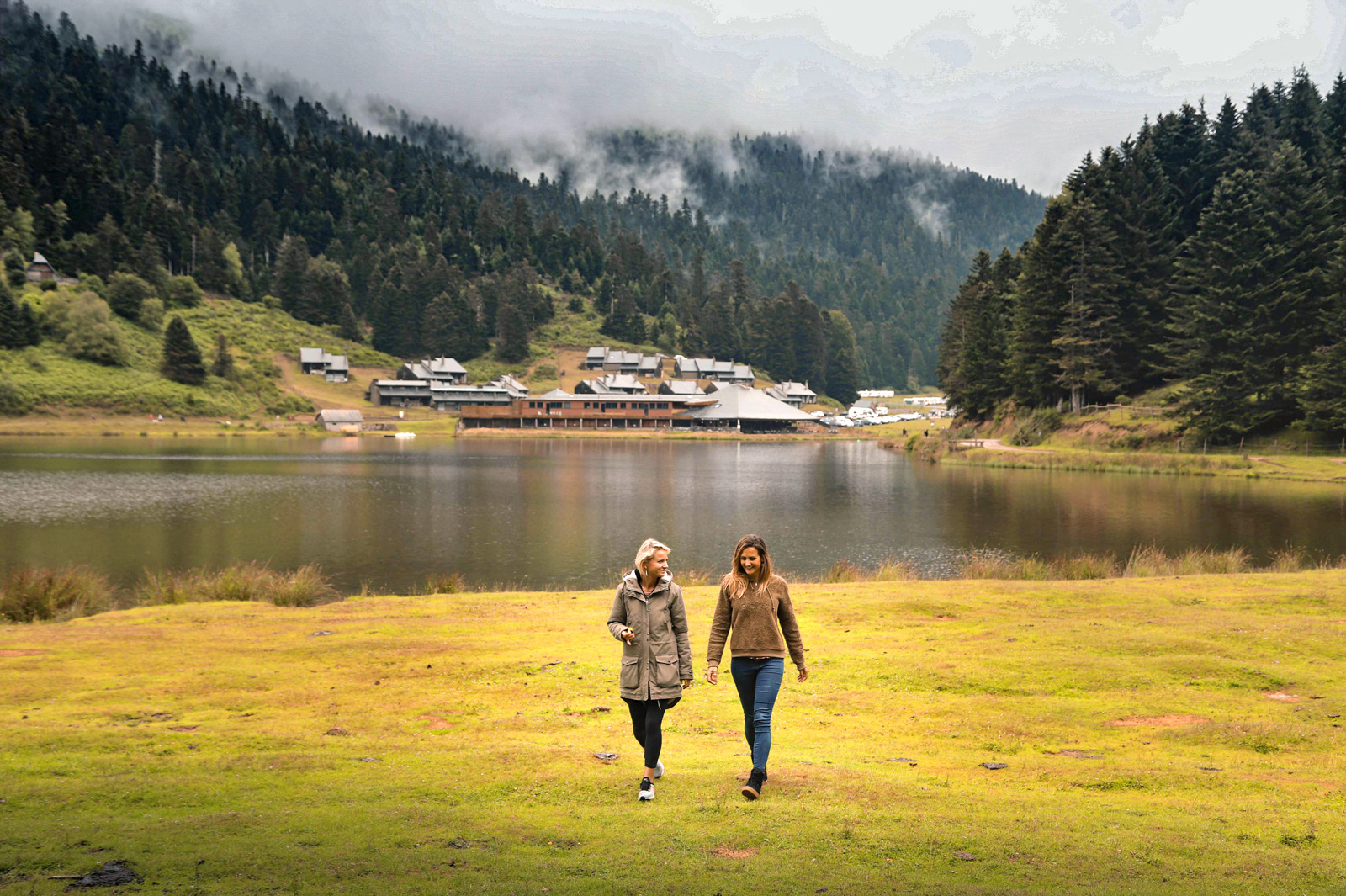
A gentle immersion in the heart of well-being at the Cradle of the Source

5,8 km
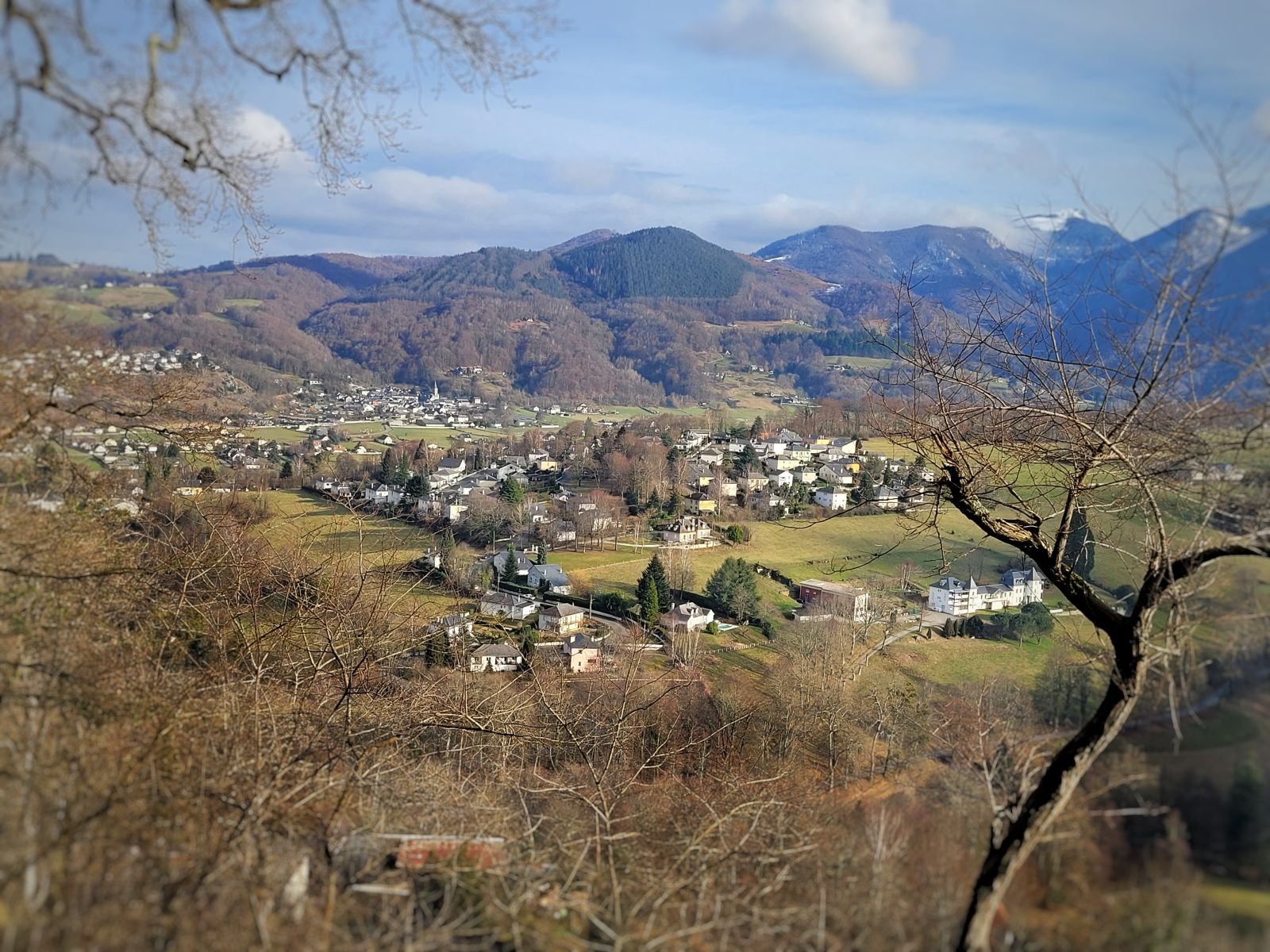
Bagnères-de-Bigorre and its surroundings, the must-sees not to be missed
5,8 km
The Lesponne Valley: a preserved jewel in the heart of the Hautes-Pyrénées

5,8 km
Experience the family adventure at Tourmalet-Pic du Midi
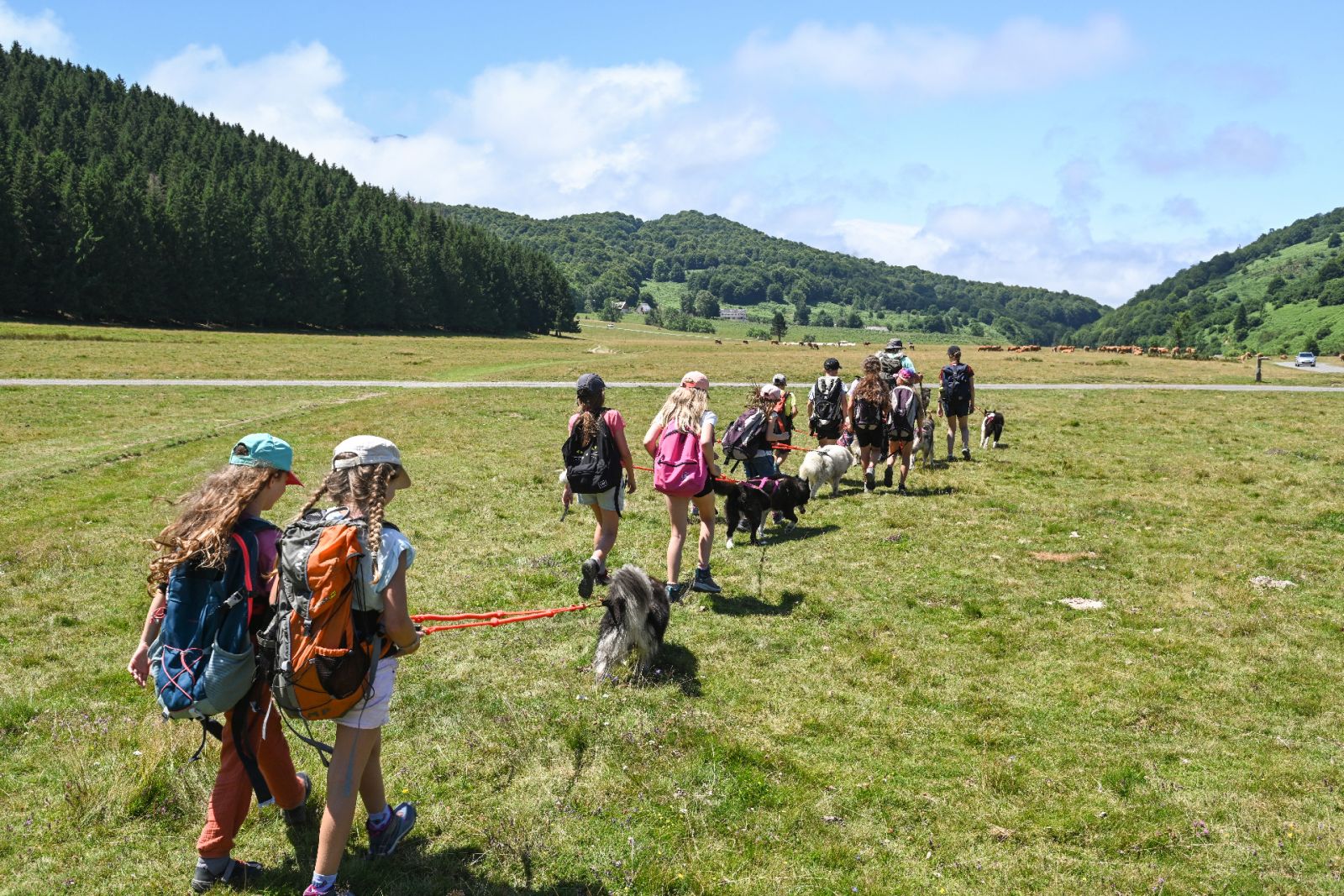
5,8 km
Discover the hiking trails in the Pyrenees at Tourmalet Pic du Midi!
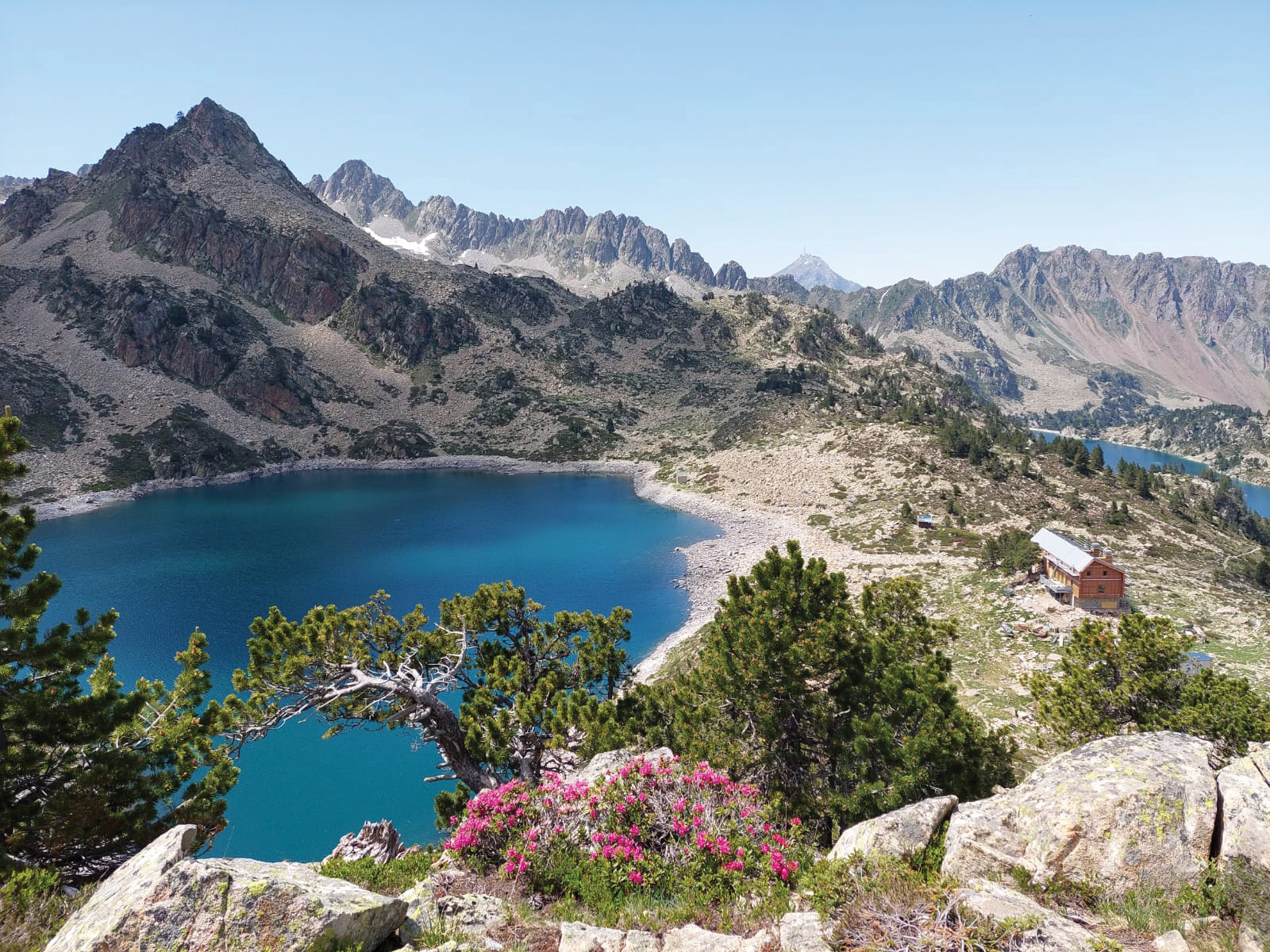
5,8 km
The 10 most beautiful places in the Hautes-Pyrénées
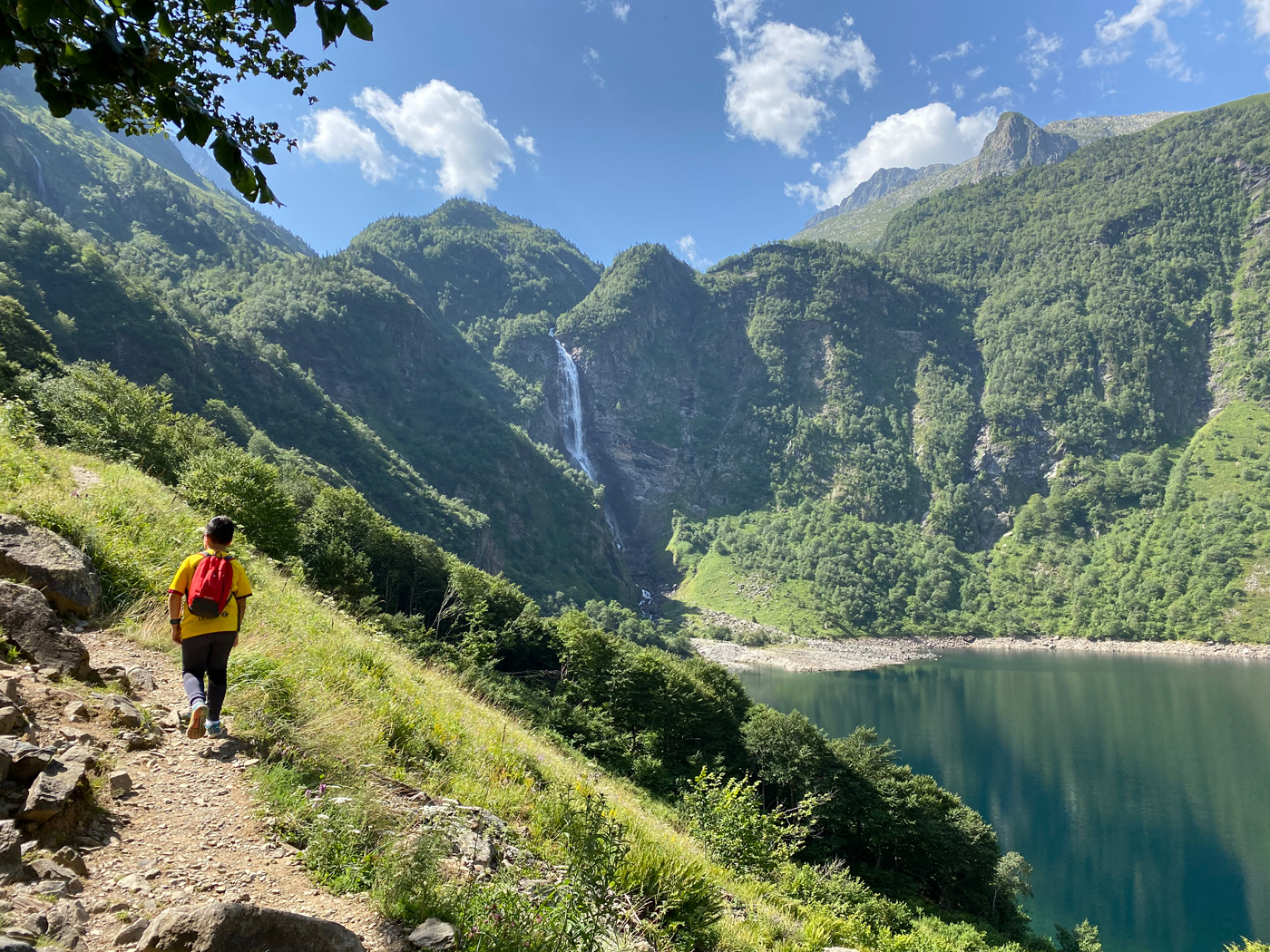
5,8 km
Camping de l'Adour: Nature holidays with the family, in the heart of the Pyrenees!
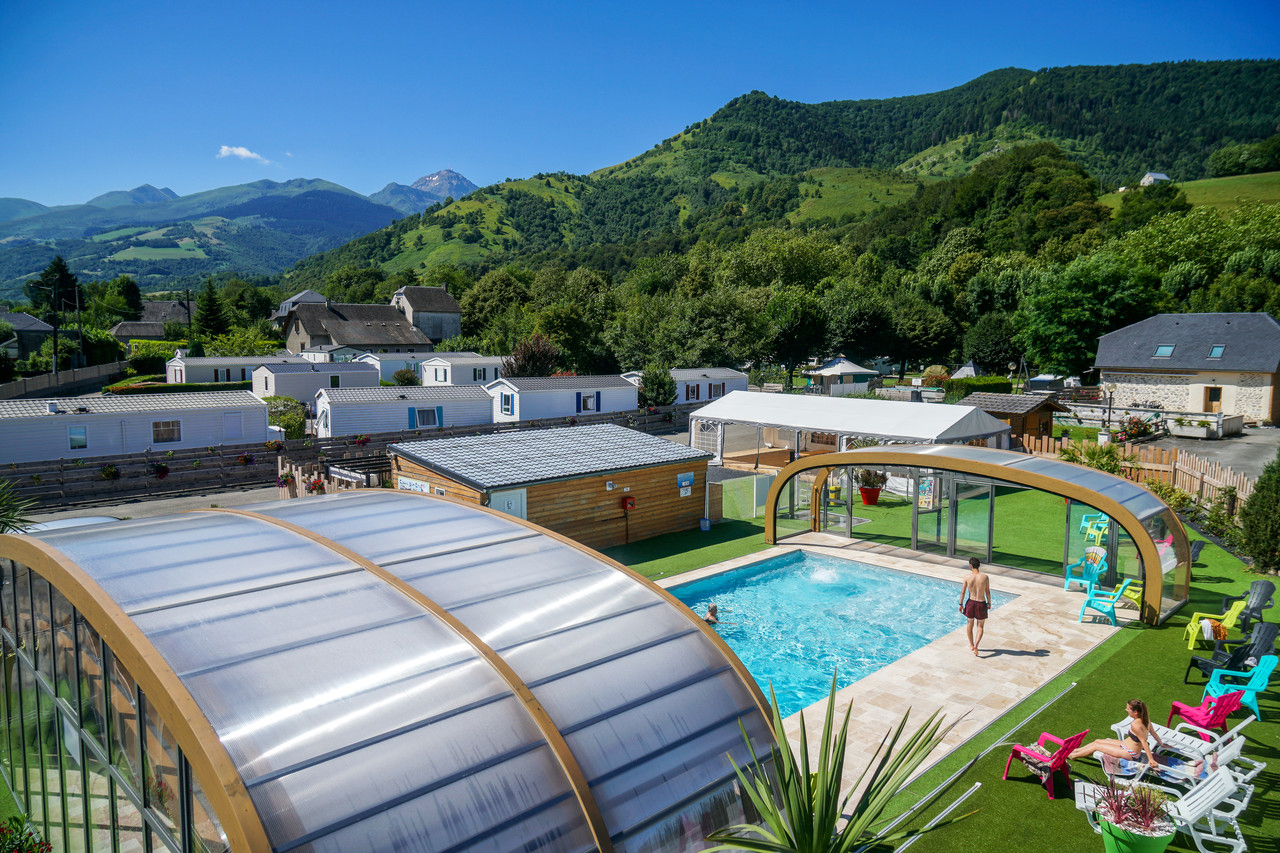
5,8 km